Best Hair Straighteners & Flat Irons for Frizz-Free Results (2026)
Updated 2026 · 12 min read · 11 products reviewed
StrandToolKit is reader-supported. When you buy through links on this page, we may earn an affiliate commission at no extra cost to you.
A great flat iron can mean the difference between sleek, glassy strands and a frizzy, uneven mess by midday. But not every straightener is built the same way, and the plate material, width, and heat range you choose should depend on your hair's texture, thickness, and how often you plan to style. Thicker, coarser hair generally needs higher, steadier heat and wider plates, while fine or color-treated hair benefits from gentler temperatures and smoother glide to avoid unnecessary breakage.
Heat styling tools work by temporarily breaking and reforming the hydrogen bonds in each strand, which is why repeated high-heat exposure without protection can leave hair brittle and prone to split ends. Dermatologists recommend pairing any hot tool with a heat protectant and keeping temperatures as low as your hair type allows; the American Academy of Dermatology's guidance on preventing heat damage is a useful starting point before you adjust your iron's dial.
Below, we break down how plate material affects glide and shine, how plate width changes your styling time, and when a steam straightener might be worth considering, so you can match a tool to your actual hair needs rather than guessing.
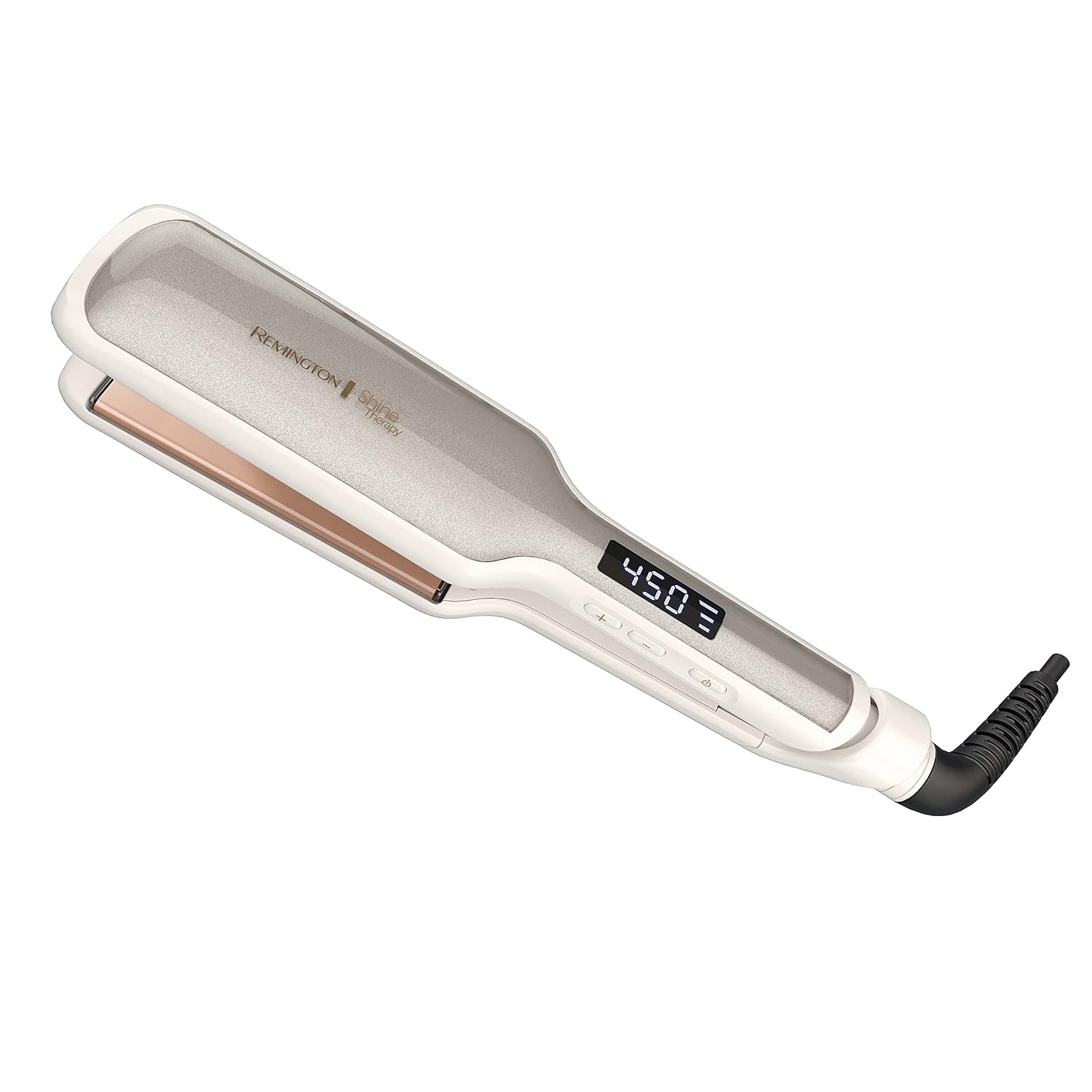
Remington Shine Therapy 2-inch Flat Iron
A 2-inch keratin-infused flat iron that balances fast, wide-plate straightening with a noticeably smoother finish.
- – Wide plates are less precise for short layers or bangs
- – Maximum heat may be more than fine hair needs
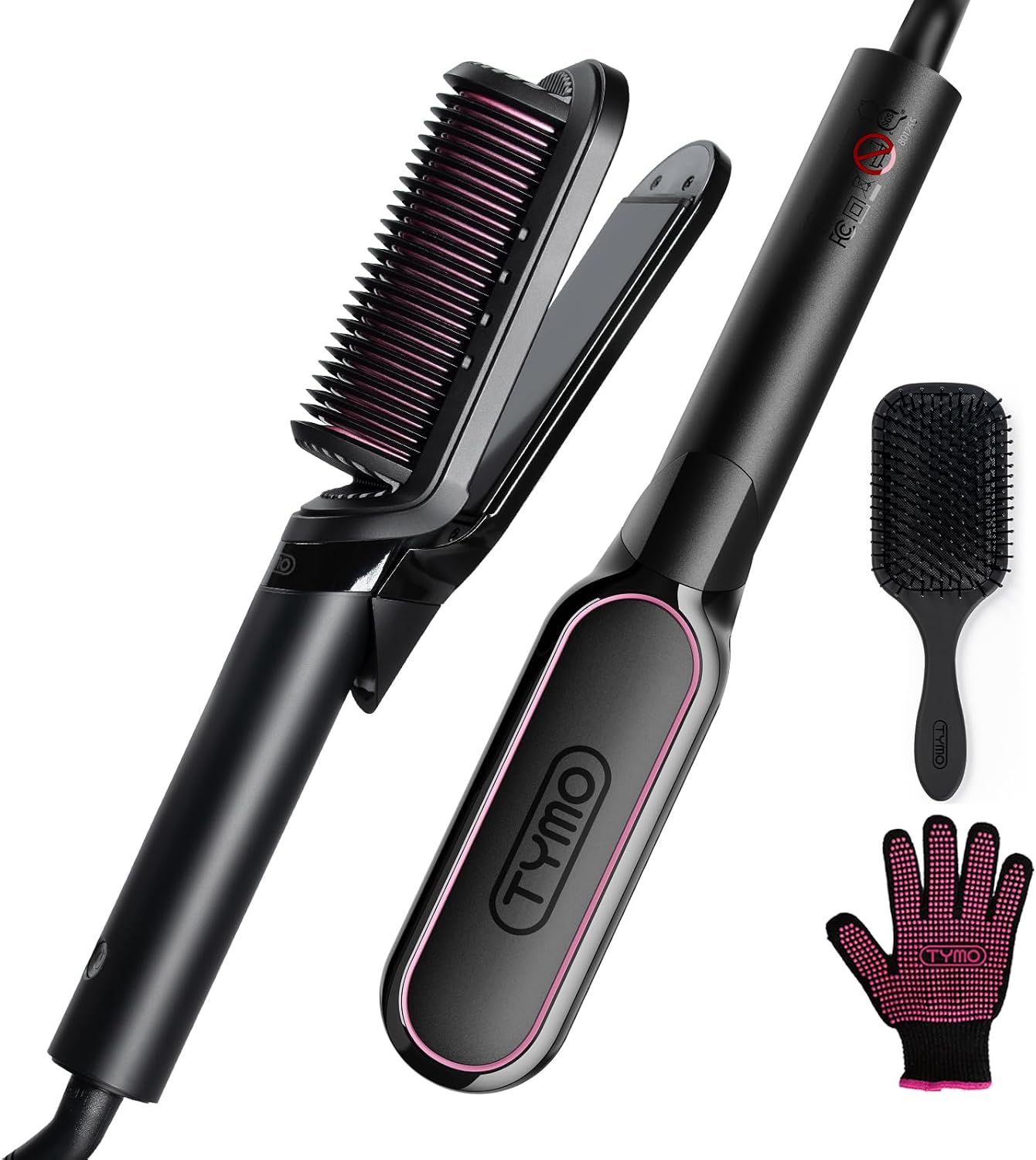
TYMO Flat Iron Straightener Brush 2-in-1
A 2-in-1 design that switches between a traditional flat iron plate and a straightening brush mode for different finishes.
- – Brush mode is slower than the plate mode for full straightening
- – Narrower plates take longer on very long hair
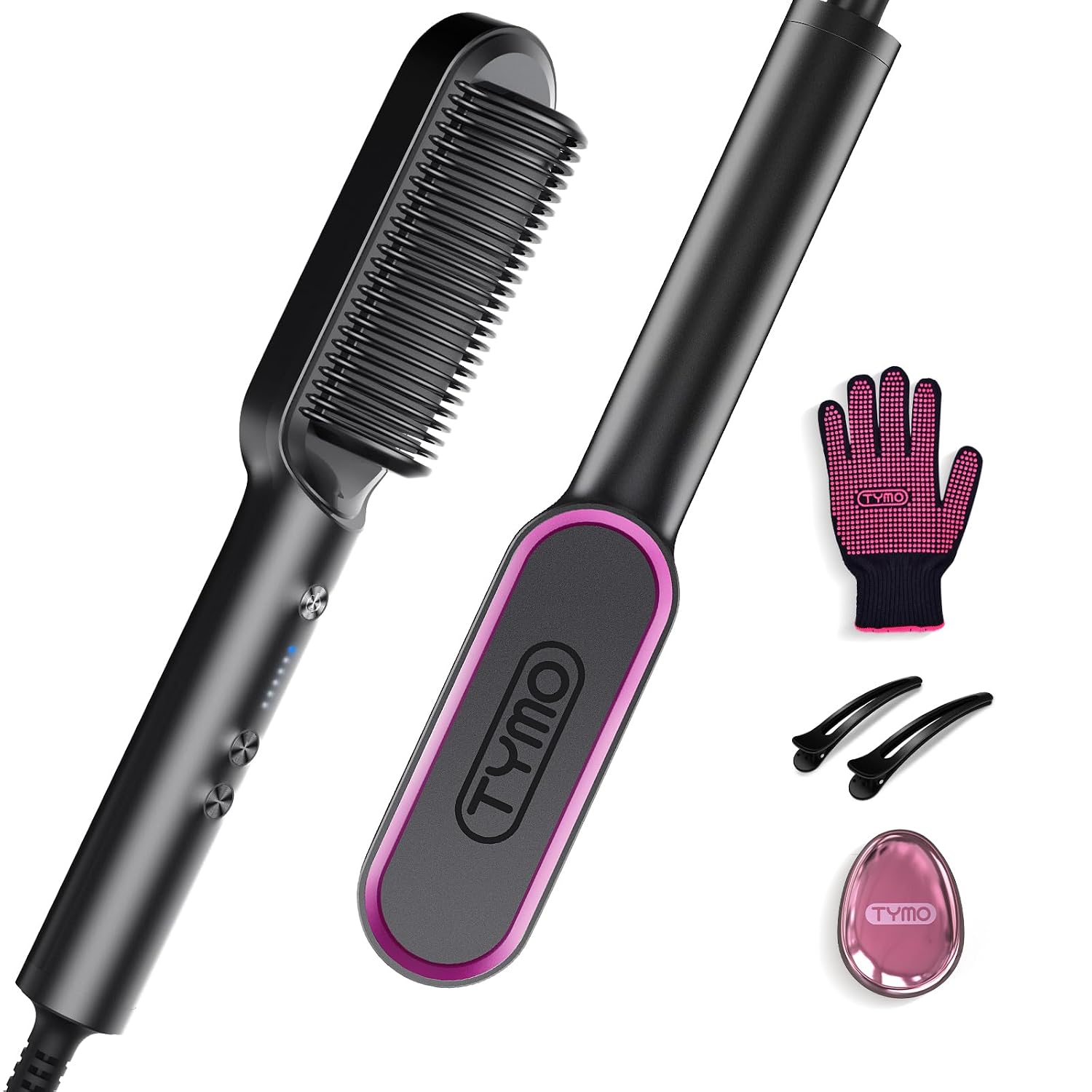
TYMO Ring Hair Straightener Comb
A comb-style straightener with anti-scald bristle guards, designed for quick touch-ups rather than full salon-style sessions.
- – Not built for full-length, high-tension straightening
- – Slower overall than a true flat iron on thick hair

Wavytalk Steam Hair Straightener — Sakura Pink
A steam-infused flat iron that adds light moisture during straightening to soften the overall result on dry or coarse hair.
- – Requires occasional water refills mid-session
- – Steam function adds a learning curve for first-time users
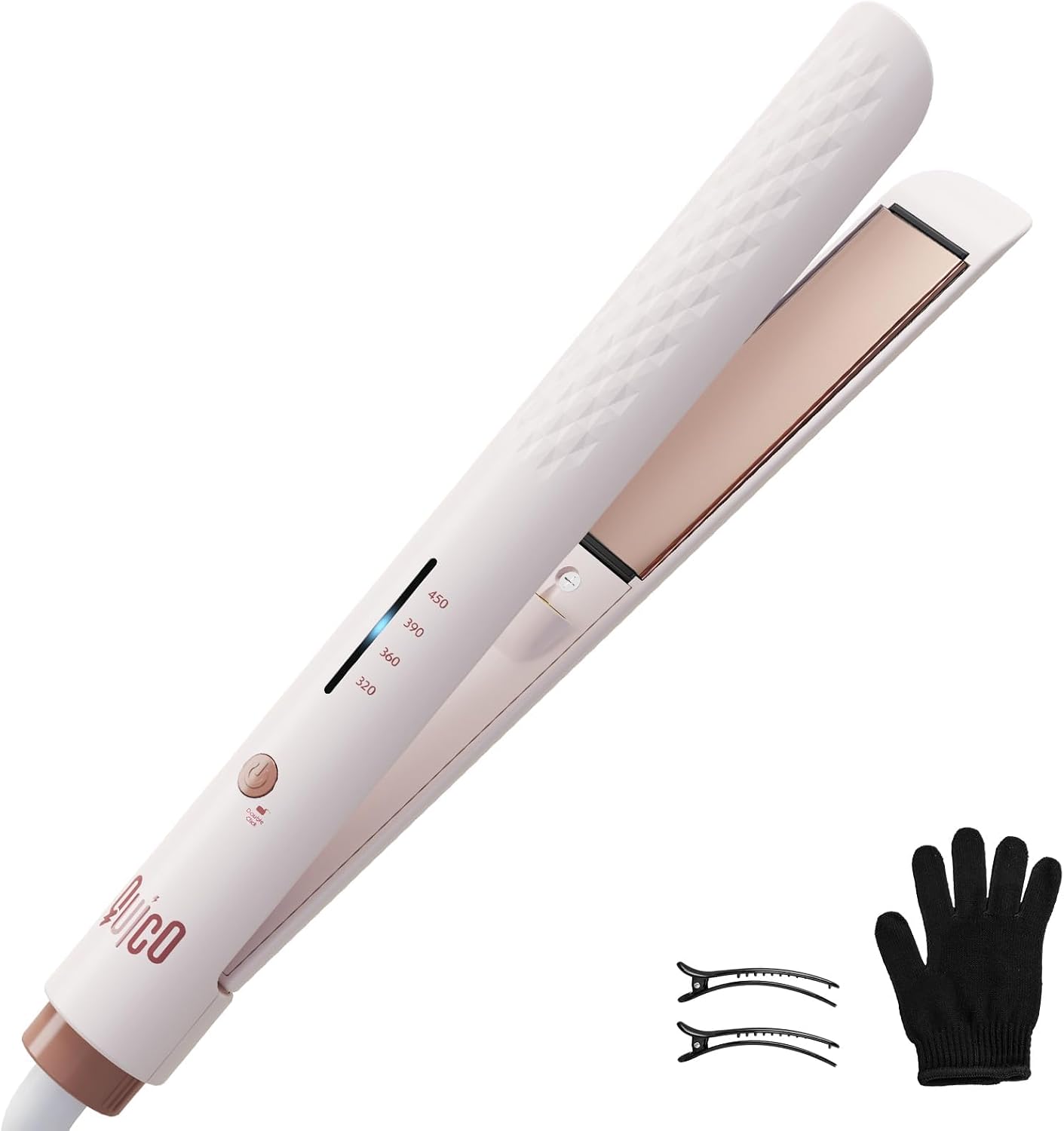
Quico Hair Straightener — Global Travel
A dual-voltage straightener with a wide 320–450°F range, built specifically to work reliably across international outlets.
- – Plates run narrower than full-size home straighteners
- – Higher end of the heat range can surprise first-time users
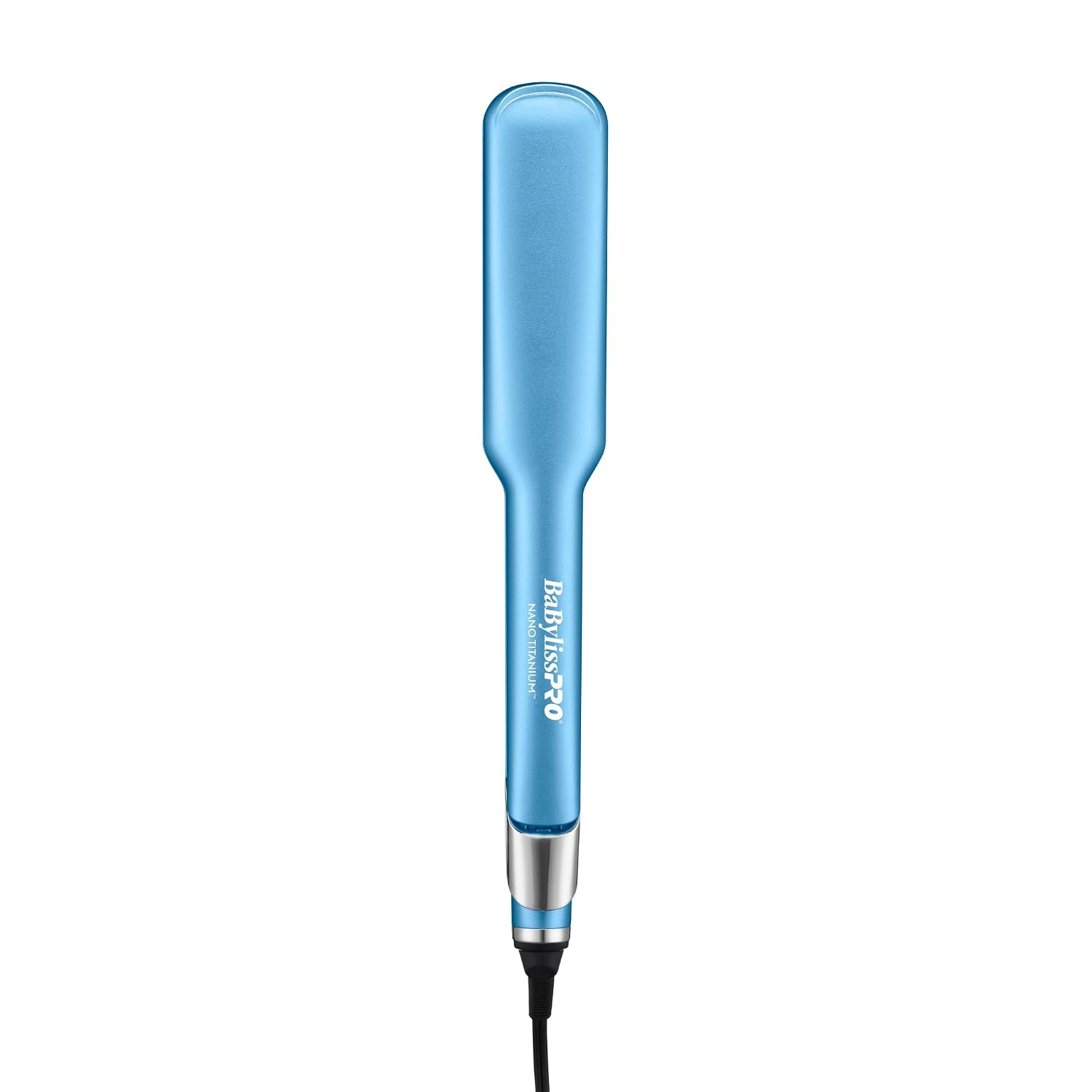
BaBylissPRO Nano Titanium Ultra-Sleek Flat Iron
A nano-titanium professional flat iron with ultra-smooth plates built for stylists who straighten hair multiple times a day.
- – Premium price reflects the professional positioning
- – More power than most casual at-home users need
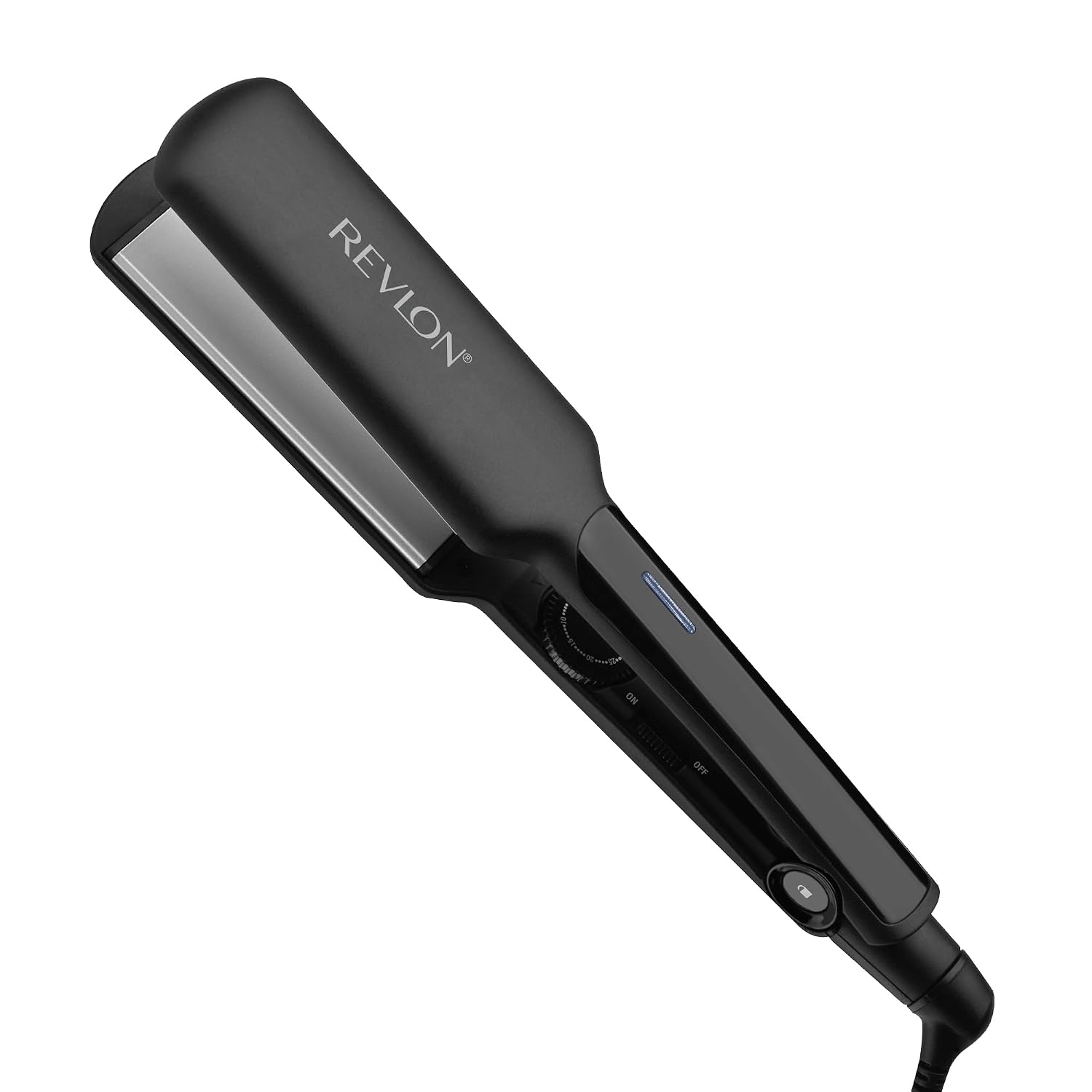
REVLON Ceramic Coated 2-inch Flat Iron
A no-frills ceramic-coated flat iron with wide plates that delivers reliable, fast straightening at an entry-level price.
- – Fewer precise heat settings than premium models
- – Plate coating wears faster with daily heavy use

L'ANGE HAIR Le Ceramique 1-Pass Ceramic Flat Iron — Blush
A fast-heating ceramic flat iron engineered to straighten in a single pass while locking in moisture and shine rather than baking hair flat.
- – Premium pricing versus drugstore ceramic irons
- – Single plate width limits precision on very short layers

CHI Original 1" Ceramic Flat Iron
The salon-staple CHI Original with advanced ceramic plates, floating-plate glide, and a simple analog switch — a design that has earned its longevity.
- – Analog on/off switch means no precise digital temperature control
- – Narrow plates take longer on very thick, long hair

Annlary 2-in-1 Titanium Ceramic Flat Iron and Curler 1"
A dual-voltage titanium-ceramic ionic iron with rounded edges for curling and a heat-resistant silicone band, built to straighten and curl with less frizz.
- – Lesser-known brand versus established salon names
- – Curling with a flat iron has a learning curve

Remington Shine Therapy 1-inch Flat Iron
The 1-inch version of Remington's Shine Therapy line, with argan-oil and keratin-infused ceramic plates that smooth frizz while adding visible gloss.
- – Narrower plates mean more passes on long, thick hair
- – Infused coating gradually loses effect over years of use
Hair Straightener Buying Guide
Plate Material Deep Dive
Plate material determines how heat transfers to your hair and how smoothly the iron glides through each section. Ceramic plates are popular because they heat evenly and are gentle enough for daily use on most hair types. Titanium plates heat up faster and stay hotter for longer, which makes them appealing for thick, curly, or coarse hair that needs sustained heat to fully straighten. Tourmaline is rarely used alone; instead, it's typically infused into ceramic or titanium plates to add shine and reduce frizz caused by static.
If you have fine, fragile, or color-treated hair, a pure ceramic or tourmaline-ceramic plate is usually the safer starting point, since it offers more even, gentler heat distribution than titanium.
Plate Width and Styling Time
Plate width has a direct effect on how long a styling session takes and how precise your results will be. Narrower plates, generally under an inch, are easier to maneuver around shorter layers, bangs, and tight curls, but they require more passes to cover a full head of hair. Wider plates, often between one and one and a half inches, can grab more hair per pass, which cuts down styling time significantly on long or thick hair, though they can feel bulky for detailed work near the hairline or ears.
If you regularly switch between short face-framing pieces and longer length, a mid-width plate around one inch tends to offer the best balance of control and speed.
Temperature Control by Hair Type
Matching heat setting to hair type is one of the most important factors in preventing long-term damage. Fine or color-treated hair typically styles well between 250 and 300 degrees Fahrenheit, while medium-textured hair often needs 300 to 350 degrees. Thick, coarse, or very curly hair may require 350 to 400 degrees to fully smooth the cuticle. A straightener with precise, adjustable temperature settings, rather than a single fixed heat, gives you far more control over how much thermal stress your hair actually experiences.
The FDA's guidance on using heated hair tools safely recommends starting at the lowest effective temperature and increasing only as needed, a habit that helps preserve both hair health and tool longevity.
Are Steam Straighteners Worth It?
Steam straighteners release a fine vapor, sometimes infused with argan oil or keratin, as the plates pass through hair. The idea is that steam helps relax the hair shaft more gently than dry heat alone, which can translate to a smoother finish with less perceived dryness. They tend to work best on hair that's already in reasonably good condition, since the added moisture step doesn't replace the need for proper heat protection. For very fine or already damaged hair, a lower, consistent dry-heat setting may still be the more predictable choice.
Plate Material Comparison
Ceramic Plates
Heats evenly and distributes temperature gently across the plate surface, making it a common choice for everyday styling.
Pros
Smooth glide, gentler on fine or damaged hair, widely affordable.
Cons
Plate coating can wear down over time and may chip on lower-cost models.
Titanium Plates
Heats up quickly and holds a consistent high temperature, favored for thick or coarse textures that resist styling.
Pros
Fast heat-up, lightweight build, performs well in humid conditions.
Cons
Can run hotter than expected, which is riskier for fine or chemically treated hair.
Tourmaline Plates
Often layered over ceramic or titanium, tourmaline is ground into the plate to boost shine and reduce static.
Pros
Helps tame frizz, adds noticeable shine, smooths the hair cuticle.
Cons
Usually adds to the price, and benefits are most visible on dry or frizz-prone hair.
Frequently Asked Questions
Is titanium or ceramic better for a flat iron?
Ceramic is generally gentler and better suited to fine or color-treated hair because it heats evenly at lower temperatures. Titanium heats faster and holds higher heat longer, making it a better match for thick, coarse, or curly hair that resists straightening.
How often can I straighten my hair without damaging it?
Most hair types can tolerate straightening two to three times a week if a heat protectant is used and the temperature is matched to hair thickness. Daily heat styling without breaks increases the risk of dryness, brittleness, and split ends over time.
Are steam straighteners actually worth the extra cost?
Steam straighteners can add a smoother, slightly more hydrated finish for hair that's already in decent condition, but they aren't a substitute for heat protectant or proper temperature control. For very fine or damaged hair, a reliable dry-heat iron at a lower setting is often the more practical option.
What plate width should I choose for my hair length?
Shorter hair, bangs, and tighter curls are easier to manage with narrower plates under an inch wide. Longer or thicker hair styles faster with wider plates, generally one to one and a half inches, since each pass covers more surface area.
What temperature should I use for fine versus coarse hair?
Fine or color-treated hair typically styles well between 250 and 300 degrees Fahrenheit. Coarse, thick, or very curly hair often needs 350 to 400 degrees to fully smooth the cuticle without requiring excessive repeated passes.
How long does a good flat iron typically last?
With regular use, a well-made straightener with durable plates and a quality heating element can last several years before performance noticeably declines. Signs it's time to replace one include uneven heating, slower heat-up times, or visible wear on the plate coating.
Further Reading
Affiliate Disclosure: StrandToolKit is a participant in the Amazon Services LLC Associates Program. We may earn a commission from qualifying purchases made through links on this page.