Best Hair Clippers for Home Haircuts (2026)
Updated 2026 · 10 min read · 7 products reviewed
StrandToolKit is reader-supported. When you buy through links on this page, we may earn an affiliate commission at no extra cost to you.
A good pair of hair clippers can turn a once-a-month barbershop habit into a five-minute task you handle yourself, on your own schedule, in your own bathroom. Whether you're maintaining a fade between professional visits, buzzing a child's hair before summer camp, or trimming a partner's neckline so it doesn't creep into "overdue haircut" territory, the right clipper makes the difference between a clean result and a patchy one.
Home clippers generally fall into two camps: corded models built for sustained power, and cordless models built for mobility and detail work around ears and hairlines. Motor strength, guard quality, and blade sharpness all matter more than flashy marketing, and thicker or coarser hair types typically demand a stronger motor to avoid snagging or stalling mid-cut.
Because clippers involve a motorized blade running close to the scalp, basic care around heat and friction is worth keeping in mind, especially for sensitive skin or scalp conditions. The FDA's guidance on safe use of heated and motorized hair tools is a useful reference point before introducing any new tool into your routine. Below, we break down guard sizing, motor types, and the maintenance habits that keep clippers cutting cleanly for years.
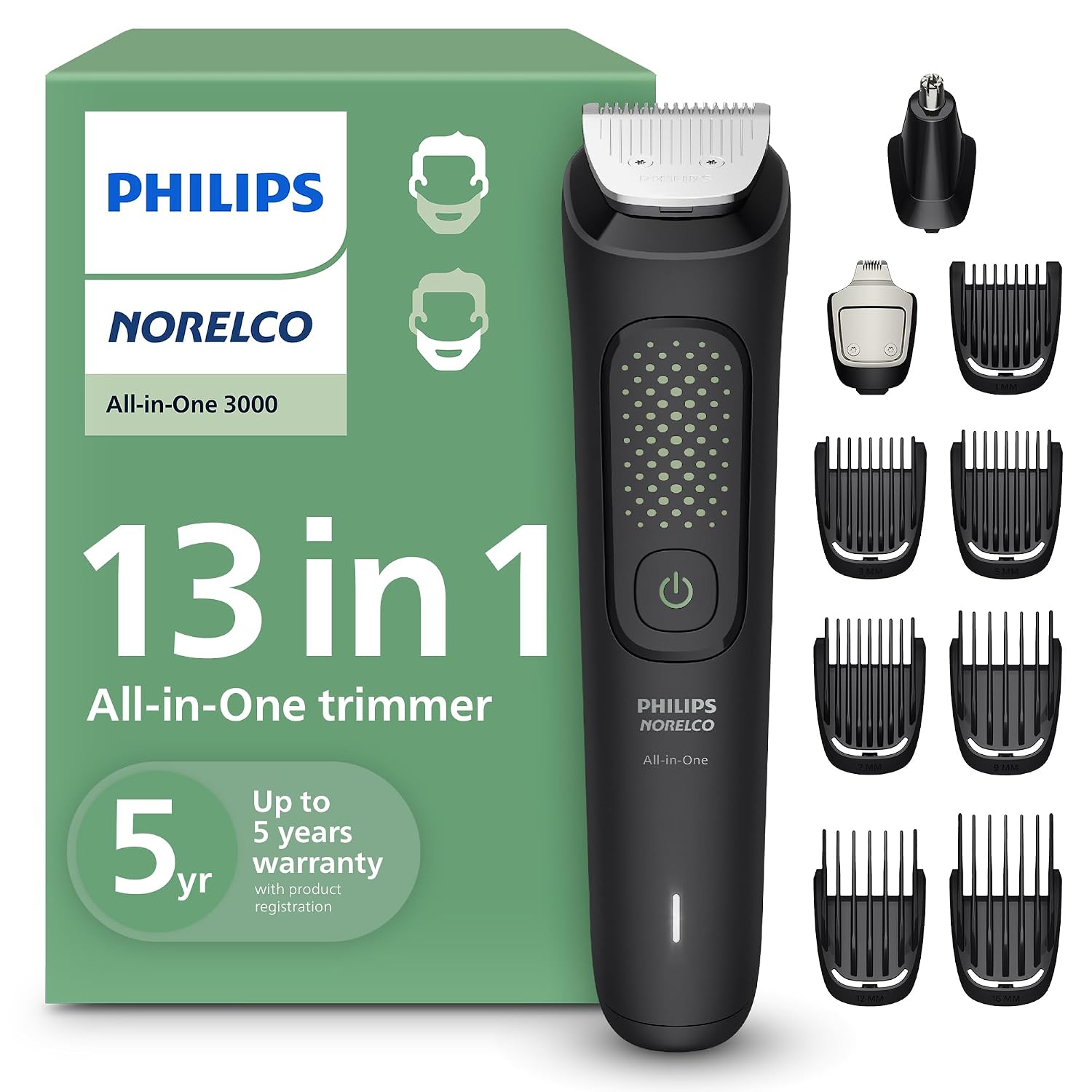
Philips Norelco All-in-One 3000 Series 13-in-1 Trimmer
A 13-in-1 trimming system with self-sharpening blades that covers hair, beard, and body grooming in a single kit.
- – So many attachments can feel overwhelming at first
- – Charging stand takes up modest counter space
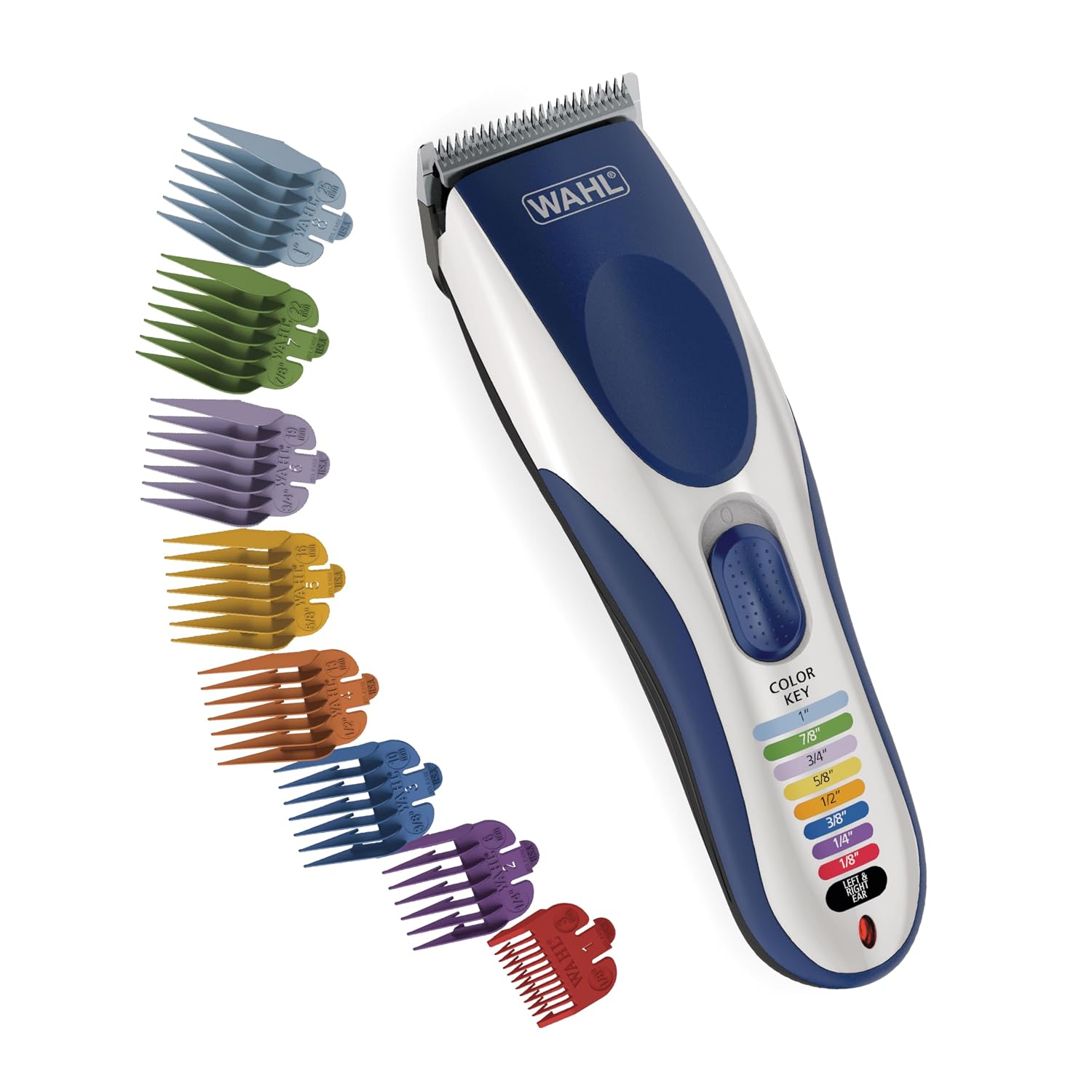
Wahl Color Pro Cordless Rechargeable Hair Clipper
A color-coded guard system makes this Wahl clipper one of the most approachable options for first-time home clipper users.
- – Battery life is moderate compared to premium cordless models
- – Fewer specialty attachments than higher-end kits
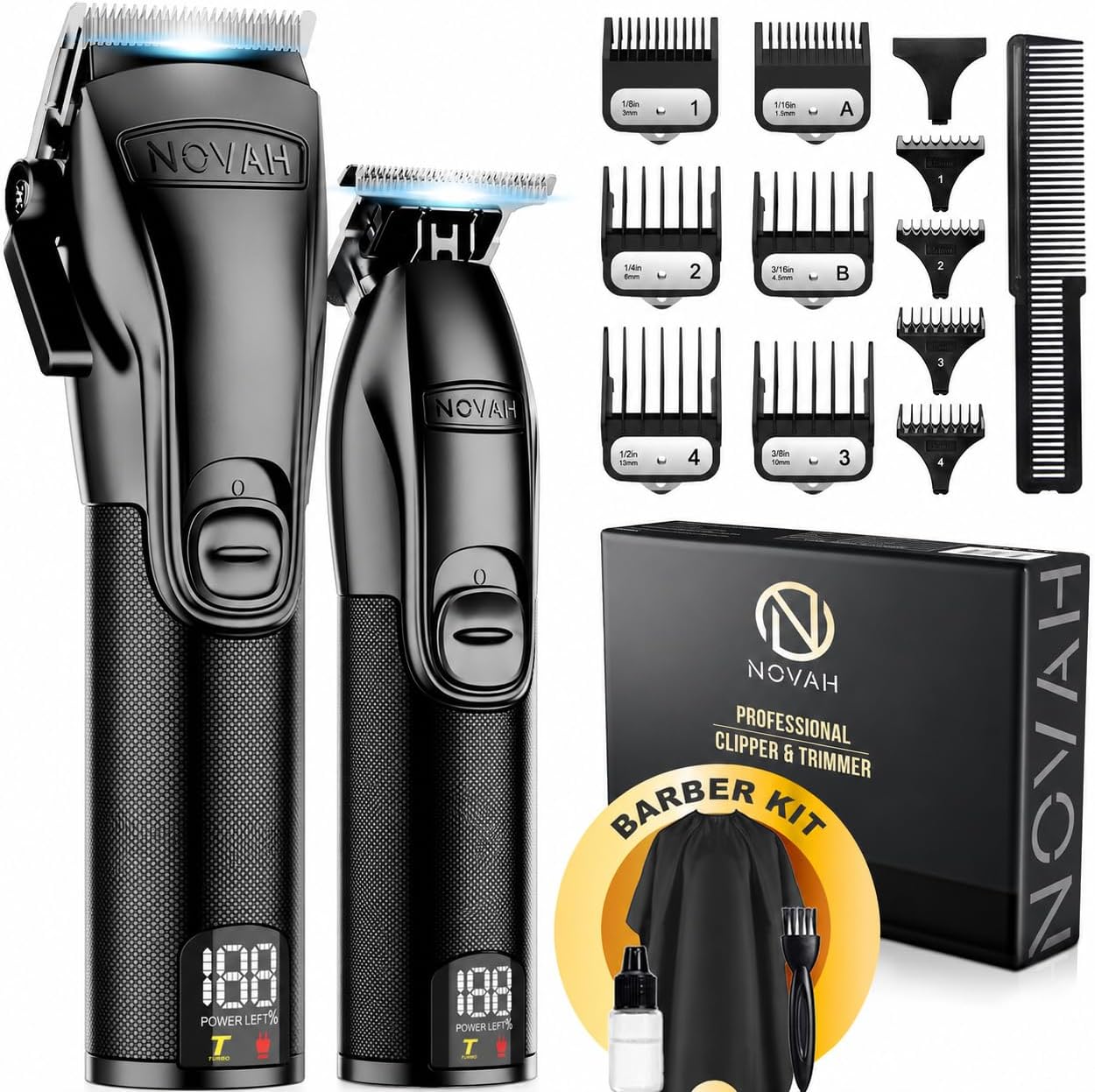
Novah Professional Hair Clippers & Trimmer Set
A barber-style clipper and trimmer set with a high-torque motor designed to mimic professional in-shop cutting performance.
- – Louder motor noise than smaller home clippers
- – Heavier in hand during longer cutting sessions
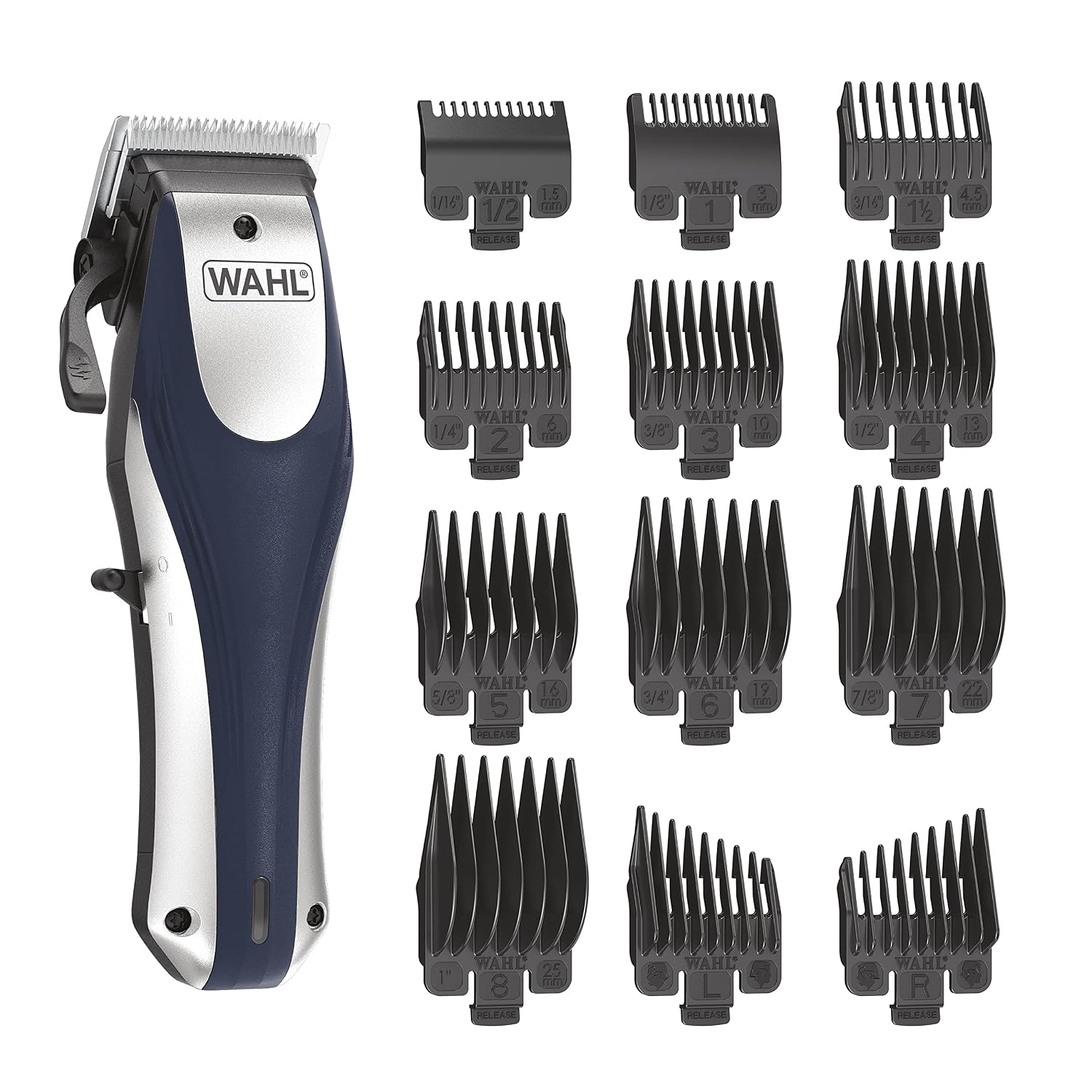
Wahl Lithium Ion Pro Cordless Hair Clippers
A lithium-ion cordless clipper built for extended runtime, suited to longer cutting sessions or multiple cuts per charge.
- – Charging base sold as part of a slightly bulkier kit
- – Premium battery tech adds to the price
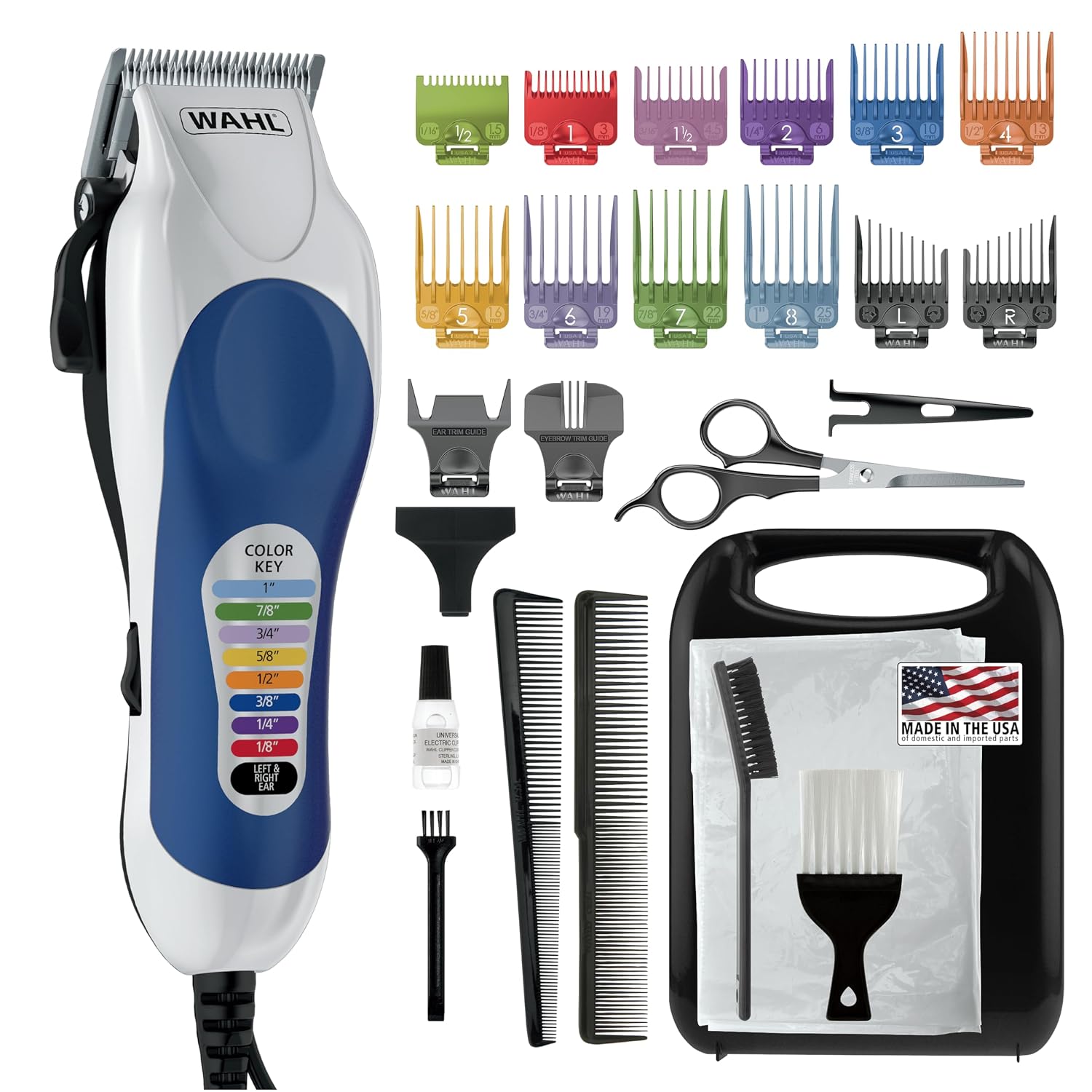
Wahl Color Pro Complete Haircutting Kit — Corded
A corded, complete haircutting kit that bundles guards, scissors, and a cape at one of the lowest price points in the category.
- – Cord limits mobility compared to cordless options
- – Build quality is basic relative to premium kits
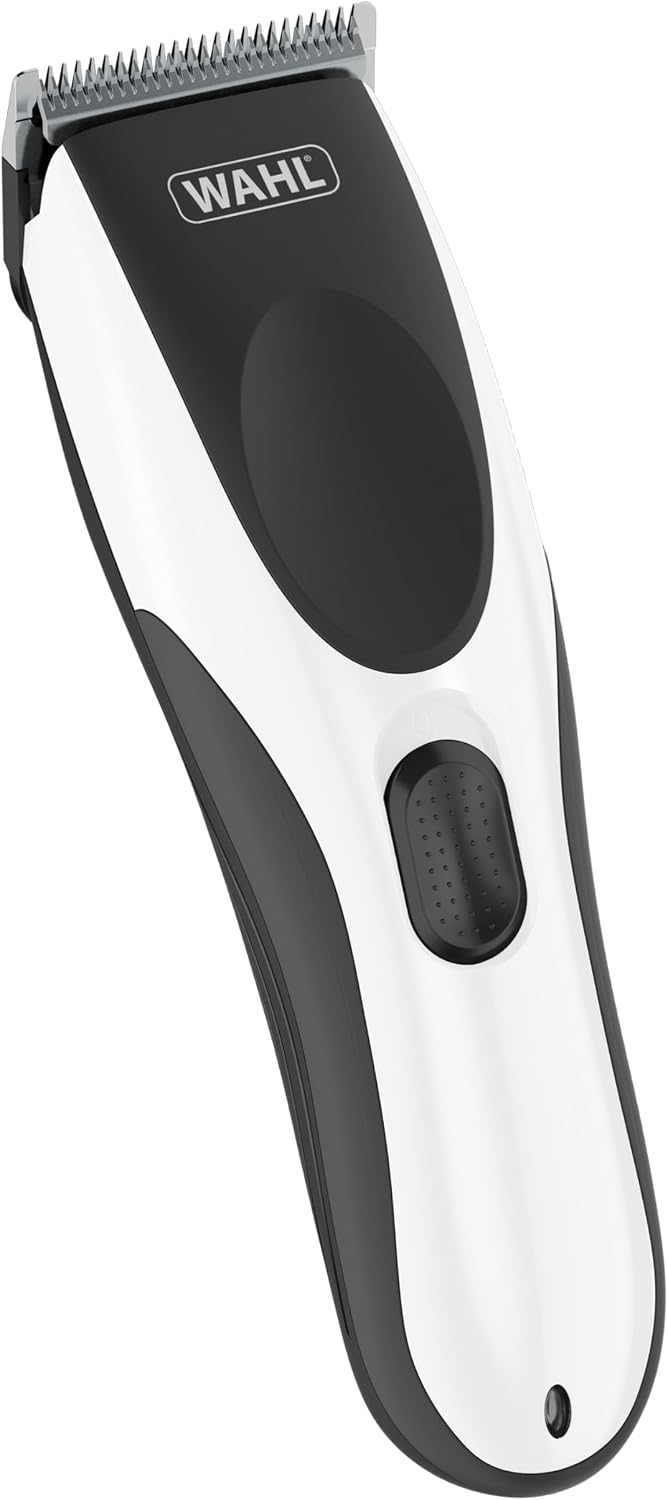
Wahl Home Pro Cordless Rechargeable Hair Clippers
A cordless home clipper with a snap-n-lock guard system built specifically for casual, everyday at-home haircuts.
- – Not built for heavy daily professional-level use
- – Guard lock mechanism needs a firm, deliberate click
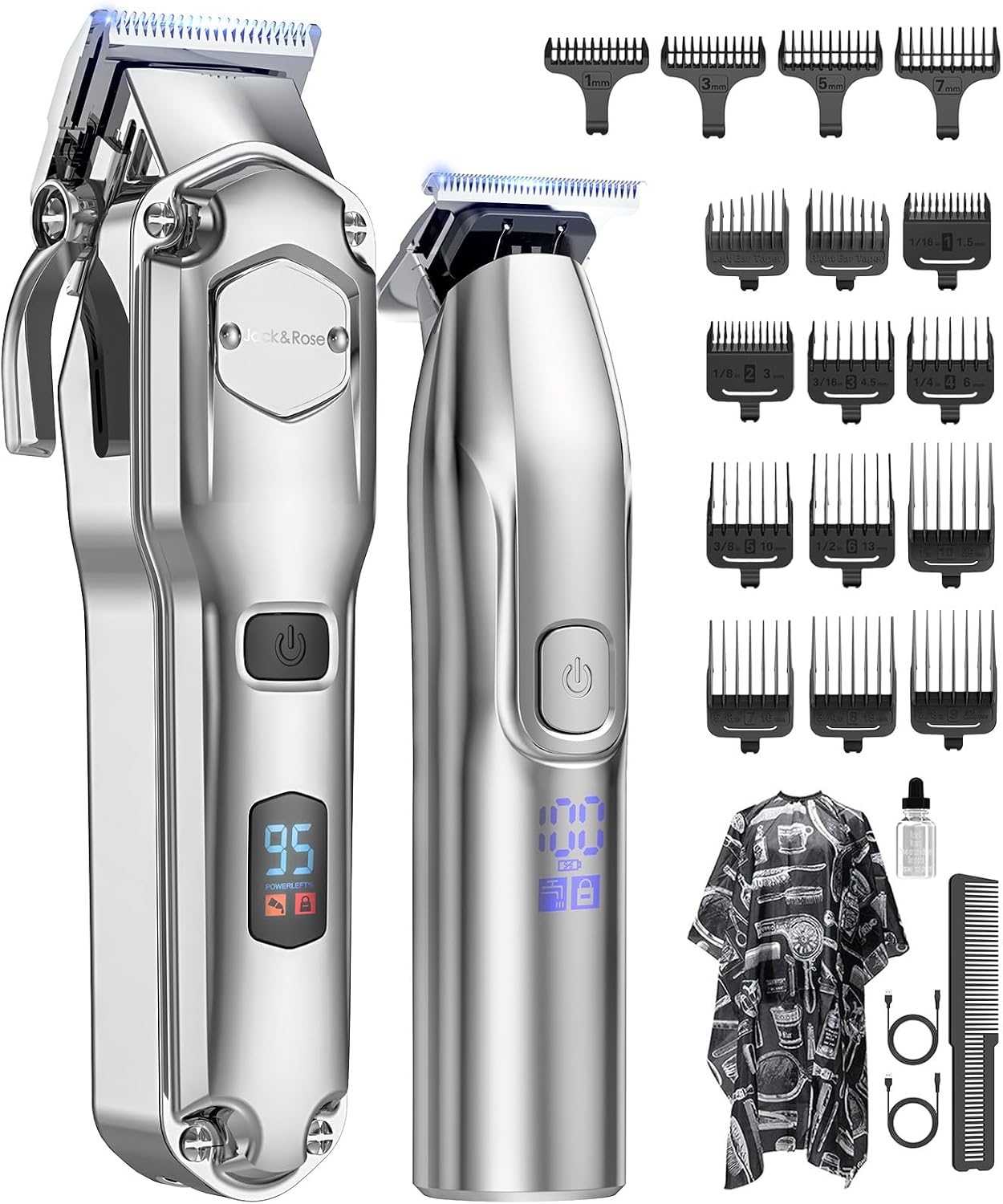
Jack & Rose Clippers and Trimmers Set — Cordless
An affordable cordless clipper and trimmer combo set aimed at occasional users who don't need professional-grade power.
- – Motor is noticeably less powerful than premium clippers
- – Battery life is shorter under heavier use
Hair Clipper Buying Guide
Corded vs. Cordless Clippers
Corded clippers plug directly into an outlet and deliver consistent, uninterrupted power for as long as you need them, which makes them a popular choice for full head buzzes, thick hair, or longer sessions where battery drain could otherwise slow things down. The tradeoff is a cord that can get in the way during detail work, especially around the ears and the back of the neck where you're maneuvering with a mirror.
Cordless clippers run on rechargeable batteries and offer far more freedom of movement, which is helpful for fades, lineups, and any cut that requires tilting your head or working at odd angles. Many cordless models lose some power as the battery depletes, so it's worth checking the run time and whether the clipper supports a quick top-up charge if you're planning a longer session.
If you're cutting multiple people's hair in one sitting, or tackling especially thick or long hair, a corded clipper (or a cordless one with a corded backup mode) tends to hold up better than battery power alone.
Motor Types and Power for Thick Hair
Clipper motors generally fall into three categories: pivot motors, magnetic motors, and rotary motors. Pivot and magnetic motors are common in budget-friendly home clippers and handle fine to medium hair well, but they can struggle and stall when pushed through dense, coarse, or curly hair. Rotary motors are the workhorses found in many professional-grade clippers, offering more torque and a steadier cutting speed under load.
If your hair (or the hair you're cutting) is thick, wavy, or prone to bunching up in the blades, prioritizing motor torque over sheer blade speed will usually give you a smoother, less choppy result. Underpowered clippers on thick hair tend to pull and tug rather than cut cleanly, which is uncomfortable and can lead to uneven sections.
Guard Systems and Attachments
Guards (sometimes called combs or attachments) snap onto the clipper blade and determine how much hair is left behind after each pass. Most home clipper kits include a range from guard 1 through guard 8, covering everything from a close buzz to a longer, blended trim. Tapered or fade-specific guards are also common in higher-end kits, letting you blend between lengths without switching attachments mid-cut.
It's worth checking whether guards are made of sturdy plastic or metal-reinforced plastic, since lower-quality guards can flex or pop off mid-cut, particularly on thicker hair that puts more resistance against the blade. A snug, secure guard fit makes a visible difference in how even the final cut looks.
Clipper Maintenance and Blade Care
Clipper blades dull and corrode faster when hair clippings and oils are left to build up between uses. Brushing out loose hair after every session and applying a few drops of clipper oil to the blade keeps the motor running smoothly and prevents the pulling sensation that comes with a dull or gummed-up blade.
Beyond the blade itself, it's reasonable to think about the broader ingredients and materials in grooming tools you use regularly, particularly anything that touches skin or scalp for extended periods. Resources like the NIEHS overview of cosmetics and personal care product ingredients offer helpful background if you're trying to make more informed choices about the products and tools you bring into your routine.
Store clippers in a dry case away from humidity, and replace blades once they start snagging hair instead of slicing through it cleanly, even after oiling and cleaning.
Guard Size Reference Chart
| Guard | Length (mm) | Length (in) | Visual Length |
|---|---|---|---|
| Guard 1 | 3mm | 1/8" | |
| Guard 2 | 6mm | 1/4" | |
| Guard 3 | 10mm | 3/8" | |
| Guard 4 | 13mm | 1/2" | |
| Guard 5 | 16mm | 5/8" | |
| Guard 6 | 19mm | 3/4" | |
| Guard 7 | 22mm | 7/8" | |
| Guard 8 | 25mm | 1" |
Guard lengths can vary slightly by brand, so it's worth checking the specific manufacturer's chart before committing to a guard size for a precise style.
Frequently Asked Questions
Should I buy a corded or cordless clipper?
Corded clippers offer steady, uninterrupted power that's well-suited to thick hair or long sessions, while cordless models give you more freedom of movement for detail work around the ears and neckline. Many people end up choosing a cordless clipper with a corded backup mode for the best of both.
How often should I oil my clipper blades?
A light drop of clipper oil before or after each use helps keep the blades gliding smoothly and prevents premature dulling. If you notice the clipper running louder, hotter, or starting to tug at hair, that's usually a sign it's overdue for oiling.
What guard size should I use for a buzz cut?
A classic close buzz cut typically uses guard sizes 1 or 2, which leave roughly 1/8 to 1/4 inch of hair. For a slightly longer, less severe buzz, guard 3 or 4 is a common middle ground.
How long does a cordless clipper battery last?
Most cordless clippers run for somewhere between 60 and 120 minutes on a full charge, though thicker hair and higher speed settings can drain the battery faster. It's a good habit to fully charge cordless clippers after each use so they're ready for the next session.
Do I need a different clipper for thick or curly hair?
Not necessarily a different clipper, but a more powerful one. Thick, coarse, or curly hair benefits from a higher-torque motor, ideally a rotary motor, since weaker motors tend to stall or pull rather than cut through dense sections cleanly.
What's the best way to clean clippers after use?
Use the small brush that comes with most clipper kits to remove loose hair from the blade and housing after every use, then wipe the blade with a cloth before applying oil. Periodically removing the blade guard for a deeper clean helps prevent buildup that can dull the blades over time.
Further Reading
Affiliate Disclosure: StrandToolKit is a participant in the Amazon Services LLC Associates Program. We may earn a commission from qualifying purchases made through links on this page.