Best Hair Dryers for Every Hair Type (2026)
Updated 2026 · 11 min read · 11 products reviewed
StrandToolKit is reader-supported. When you buy through links on this page, we may earn an affiliate commission at no extra cost to you.
A hair dryer is the single most-used tool in most styling routines, yet it is often chosen on impulse rather than intention. The right dryer can cut drying time in half, tame frizz before it starts, and protect strands from the kind of cumulative heat exposure that leaves hair brittle and dull. The wrong one can do the opposite, turning a five-minute task into a twenty-minute battle that leaves your ends frayed and your scalp parched.
The market is crowded with claims about ionic technology, ceramic plates, and tourmaline coatings, and it is not always clear which of these actually matter for your hair type. According to the American Academy of Dermatology's guidance on preventing heat damage, how a tool manages heat distribution matters more than any single marketing buzzword. This guide breaks down the technology, wattage, and attachments that genuinely influence performance, then walks through how to match a dryer to fine, thick, curly, or color-treated hair so you can shop with a clear sense of what you actually need.
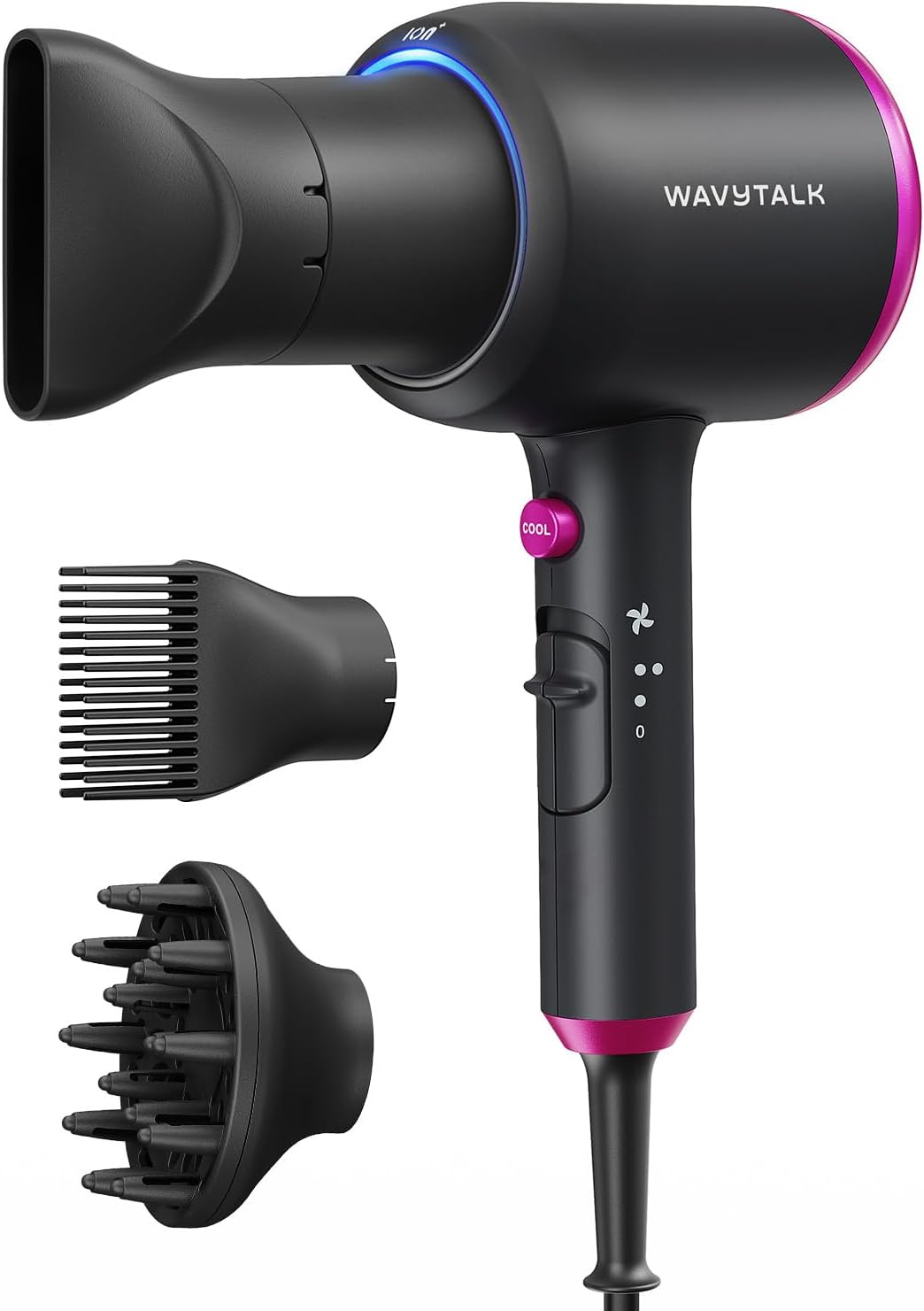
Wavytalk Hair Dryer with Diffuser
A genuinely well-balanced dryer that pairs strong ionic airflow with a diffuser attachment built for curls and waves.
- – Cord is shorter than some competitors
- – Diffuser prongs are slightly shallow for very long curls
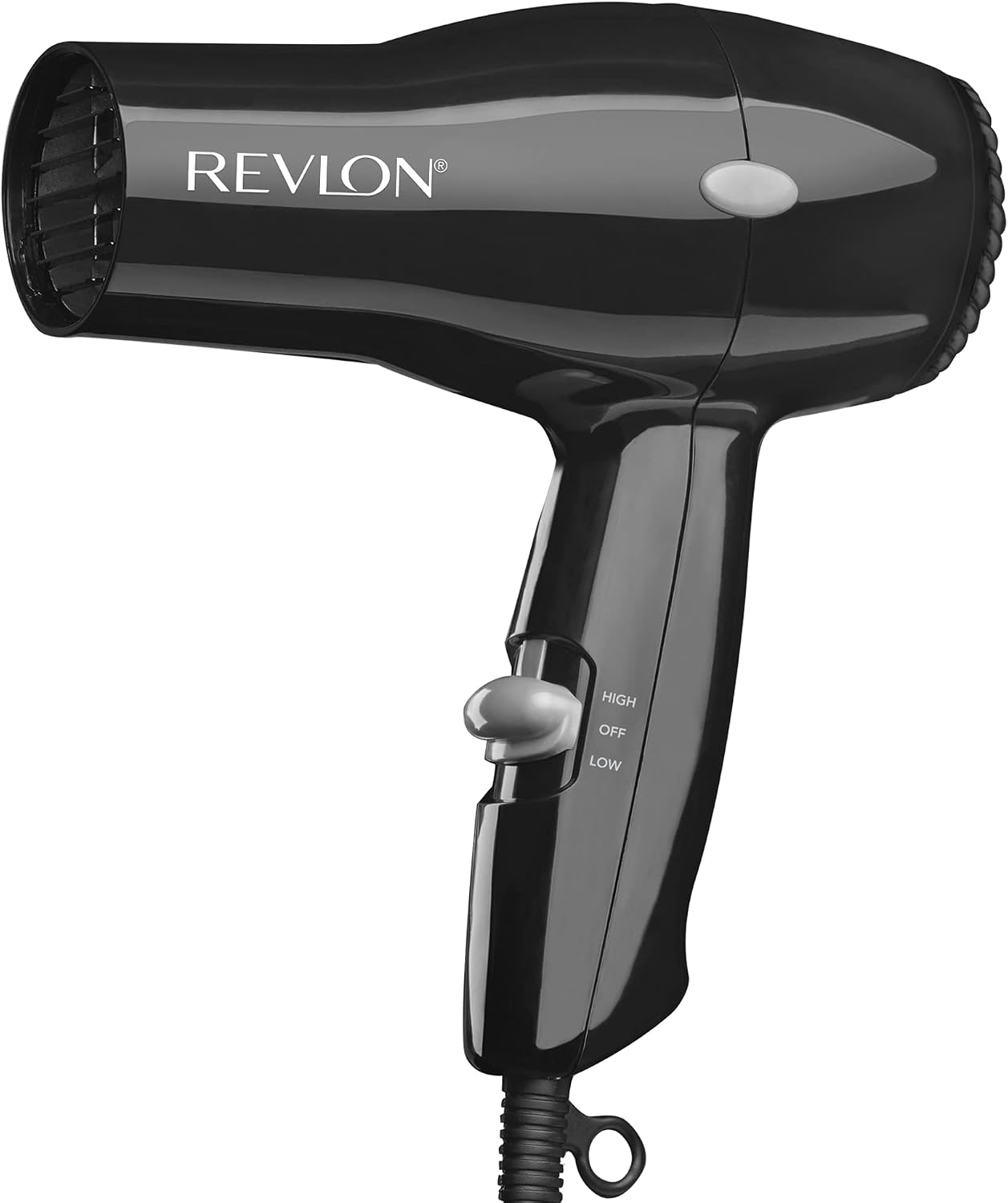
Revlon Compact Hair Dryer 1875W
A compact 1875-watt dryer that folds down small enough for a carry-on without giving up real drying power.
- – No diffuser attachment included
- – Motor runs louder than full-size dryers

Slopehill Professional Ionic Hair Dryer 1800W
An 1800-watt ionic dryer that includes a concentrator and diffuser, covering most styling needs at a low price point.
- – Plastic housing feels lighter-duty than premium options
- – Cold-shot button placement takes getting used to
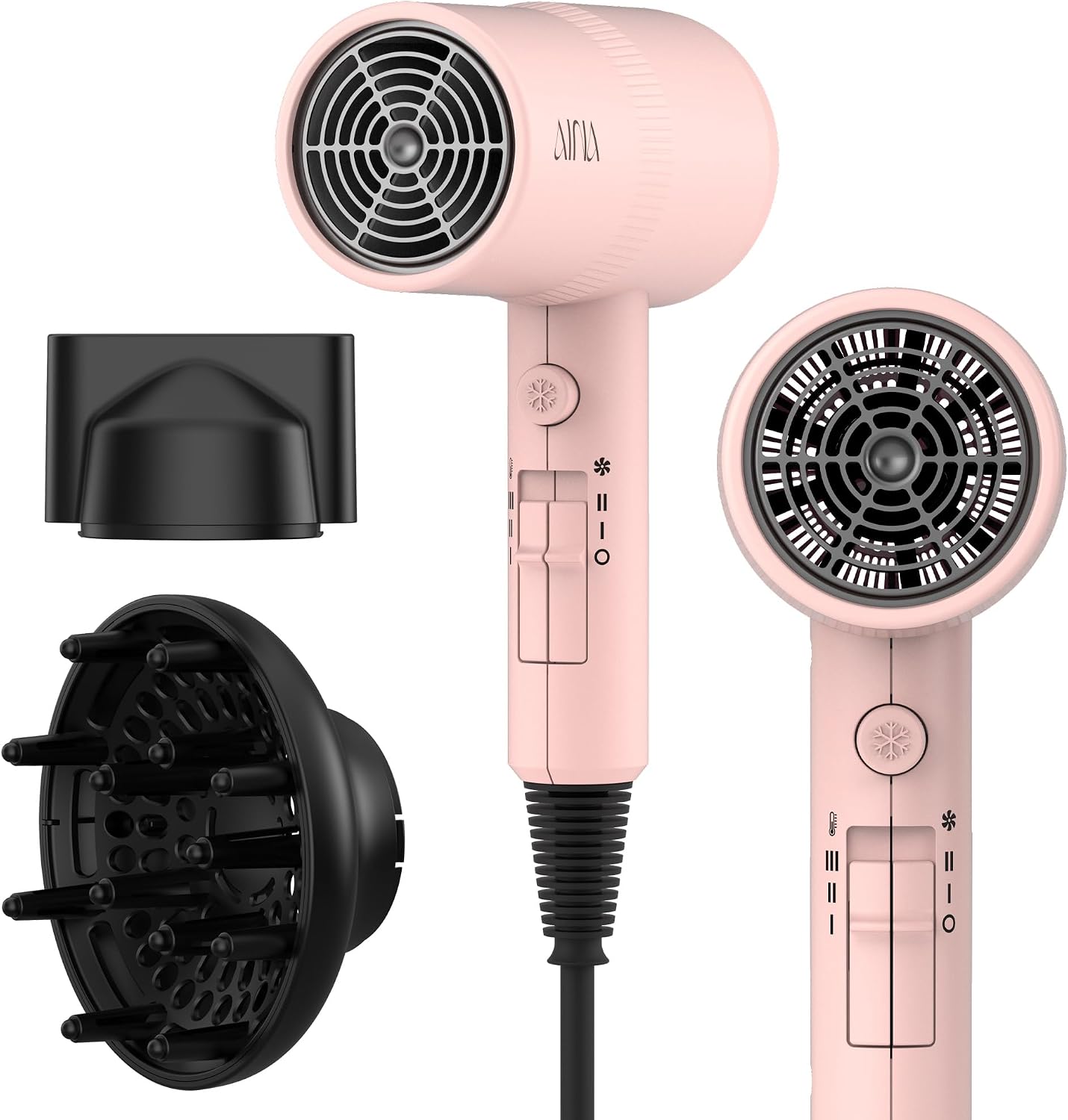
AINA Hair Dryer with Diffuser — Babe Pink
A ceramic-coated dryer with a wide diffuser bowl designed specifically to cup and dry curls without frizz.
- – Heat settings run slightly hot at the top tier
- – Diffuser attachment adds bulk for storage
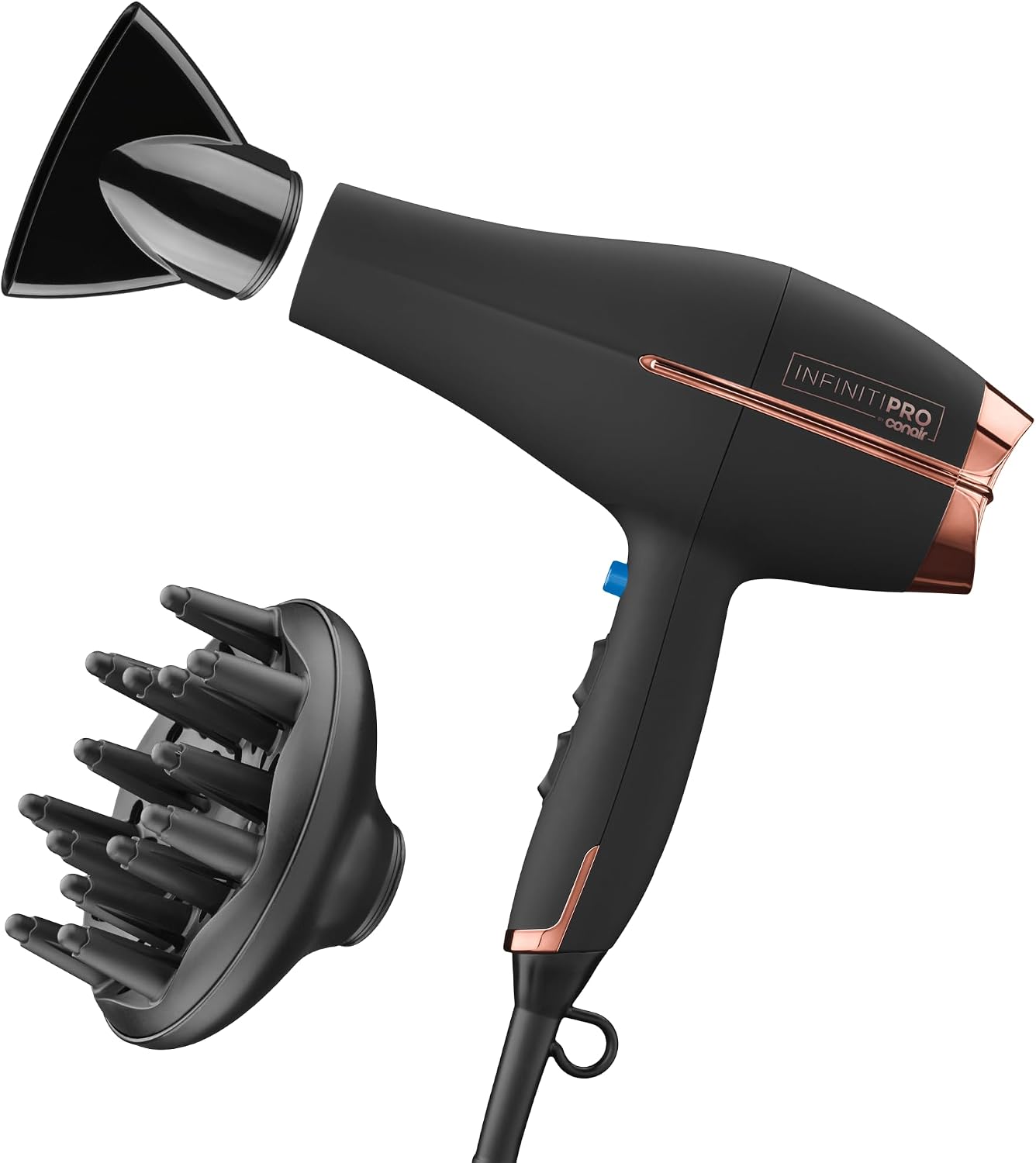
Conair InfinitiPRO AC Motor Pro Hair Dryer
An AC motor dryer built for durability and consistent airflow over years of regular use, a step up from typical DC motors.
- – Heavier than DC-motor dryers
- – Bulkier housing is less travel-friendly

Conair Hair Dryer with Retractable Cord — Matte Light Pink
A tourmaline dryer with a retractable cord that solves the tangled-cord storage problem most dryers ignore.
- – Cord retraction mechanism needs gentle handling
- – Mid-range wattage, not the fastest dryer here
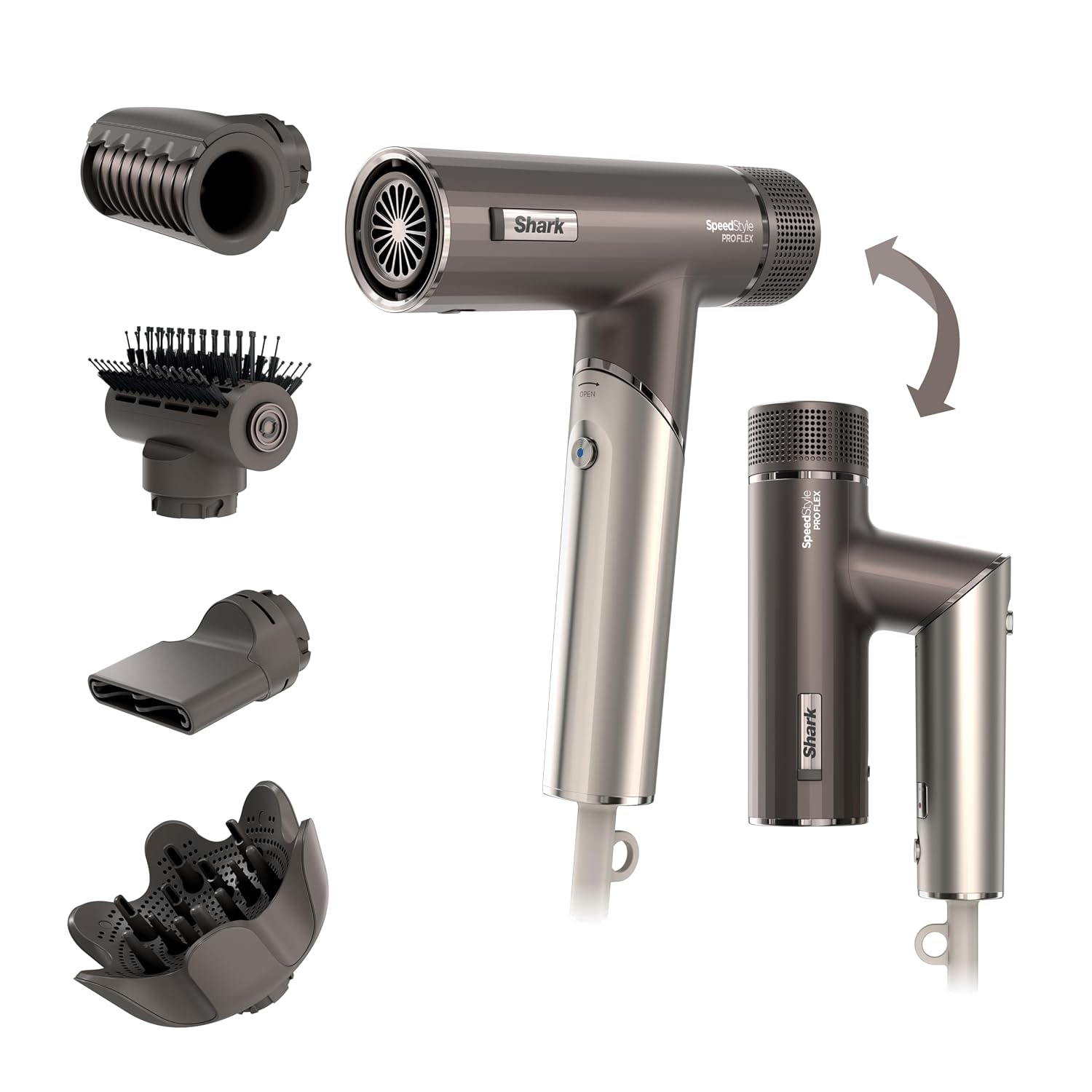
Shark SpeedStyle Pro Flex Professional Hair Dryer
A high-velocity professional dryer built for speed, with a flexible nozzle system aimed at serious at-home stylists.
- – Higher price point than most dryers on this list
- – Airflow may feel intense for fine, fragile hair on max setting
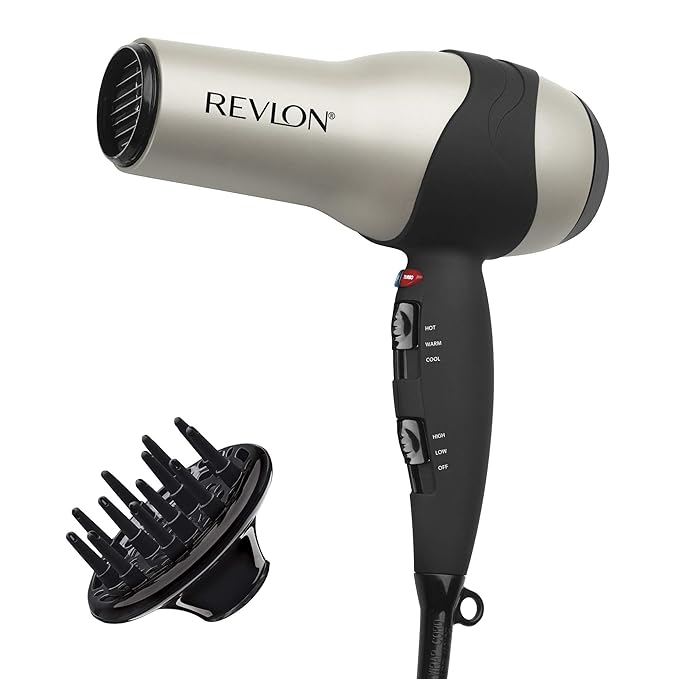
REVLON Turbo Hair Dryer 1875W — Silver
A straightforward 1875-watt turbo dryer with ceramic technology tuned for maximum shine and quick everyday drying.
- – No diffuser included in the box
- – Fewer heat settings than premium dryers

Conair Ionic Hair Dryer with Concentrator 1875W
A full-size 1875-watt ionic dryer with a concentrator attachment, multiple heat and speed settings, and a lightweight body for effortless daily styling.
- – Styling attachments beyond the concentrator are not included
- – Runs on the louder side at top speed

REVLON Infrared Ionic Hair Dryer with Diffuser — White
An 1875-watt infrared dryer with tourmaline technology and both diffuser and concentrator attachments, built to dry gently without over-drying.
- – Fewer heat levels than multi-setting competitors
- – Housing is bulkier with the diffuser attached

Conair Dual Voltage Folding Travel Hair Dryer 1600W
A 0.75-pound dual-voltage travel dryer with a folding handle and high-velocity airflow that packs down smaller than almost anything else in the category.
- – 1600 watts dries slower than full-size 1875W dryers
- – No attachments included
Hair Dryer Buying Guide
Wattage and Motor Type
Wattage is the most reliable indicator of how quickly a dryer can move heated air, and by extension, how quickly your hair will dry. Lower-wattage dryers, generally in the 1200 to 1600 watt range, are gentler and well suited to fine or thin hair that can become overwhelmed by intense heat. Higher-wattage dryers, often 1800 watts and above, are built for thicker or denser hair that requires more sustained airflow to dry through fully. Motor type matters too: AC motors are typically heavier but more powerful and durable over years of use, while DC motors are lighter and quieter, making them popular in travel-sized or lower-cost dryers, though they tend to have a shorter functional lifespan under daily use.
Tip: if you dry your hair daily, prioritize motor durability over a few extra watts. A well-built AC motor dryer used on a moderate heat setting will often outlast a high-wattage budget dryer pushed to its limit every morning.
Ionic, Ceramic, and Tourmaline Technology Explained
These three terms are often used interchangeably in marketing, but they describe different mechanisms. Ionic technology generates negative ions that break apart water molecules on the hair shaft, speeding up evaporation and reducing the static and frizz that come from positively charged, dehydrated strands. Ceramic refers to the material lining the dryer's internal barrel or plates, which heats evenly and helps avoid the hot spots that can scorch hair. Tourmaline is a semi-precious mineral that, when crushed into a fine powder and embedded in ceramic, amplifies negative ion output beyond what ceramic alone provides. In practice, a dryer combining ceramic heating elements with ionic output tends to offer the most balanced performance for most hair types, while pure tourmaline models are often marketed toward thicker or curlier hair seeking maximum frizz control.
It is worth noting that ionic technology, while generally beneficial, is not universally ideal. Very fine, already-smooth hair can sometimes become limp or overly flat with heavy ion output, so those with fine strands may prefer a dryer with an adjustable ionic setting rather than one running constantly at full intensity.
Attachments: Diffuser vs. Concentrator
Attachments shape how airflow is delivered, and the right one depends entirely on your desired outcome. A diffuser disperses air across a wider surface area and is the standard choice for curly, coily, or wavy hair types, since it dries curls without blasting them into frizz or disrupting their natural shape. A concentrator nozzle narrows airflow into a focused stream, which is better suited to smoothing, sleek blowouts, and precise root lift, since the directed air can be aimed section by section while brushing through. Many higher-end dryers ship with both, allowing one tool to serve multiple styling goals depending on the day.
Matching a Dryer to Hair Type and Texture
Fine hair generally benefits from lower wattage, a diffused ionic setting, and a cooler shot button to set styles without overprocessing delicate strands. Thick or coarse hair typically needs higher wattage, ceramic or tourmaline plates for even heat, and a concentrator for controlled sectioning. Curly and coily hair tends to do best with a diffuser attachment and a dryer offering multiple heat and speed combinations, since lower, steadier heat helps preserve curl definition. Color-treated or chemically processed hair, regardless of texture, benefits from a model with a true cool-shot function and a lower default heat ceiling, since processed hair is generally more porous and prone to heat damage. The FDA's consumer guidance on safe use of hair dryers and curling irons also recommends keeping dryers on moderate settings and maintaining distance from the scalp to avoid burns and excess dryness, a principle that applies regardless of hair type.
Tip: if you regularly switch between sleek and textured styles, choose a dryer with at least two heat settings and two speed settings, plus interchangeable diffuser and concentrator attachments, rather than buying a second specialized tool.
Dryer Selection Decision Tree
Step 1: What is your hair texture?
Start here to narrow down wattage and airflow needs.
Fine or thin hair
Look toward lower wattage, ionic technology to reduce frizz without overheating strands.
Step 2: Wattage guide
1200–1600W is typically sufficient. Higher wattage risks excess heat on delicate strands.
Thick, coarse, or curly hair
Prioritize higher wattage and ceramic or tourmaline plates for even, fast heat distribution.
Step 2: Wattage guide
1800–2200W cuts drying time significantly and helps smooth dense or textured strands.
Step 3: Which technology matters most?
Ionic dryers emit negative ions that break down water droplets faster, easing frizz on fine or color-treated hair. Ceramic and tourmaline elements distribute heat more evenly, which benefits thicker or coarser textures that need sustained, consistent heat.
Step 4: What attachment do you need?
Diffuser
Best for curly, coiled, or wavy hair seeking volume without disrupting natural curl pattern.
Concentrator nozzle
Best for smooth, sleek blowouts where directed airflow helps with frizz control and shine.
Frequently Asked Questions
How many watts do I need in a hair dryer?
Most fine or thin hair types do well with 1200 to 1600 watts, which dries efficiently without excess heat exposure. Thicker or coarser hair generally benefits from 1800 watts or more, since the added power shortens drying time and reduces how long heat sits on each section.
Is ionic or ceramic technology better for my hair?
They serve different purposes rather than one being universally better. Ionic technology reduces frizz and static by speeding up water evaporation, while ceramic ensures even heat distribution across the barrel. Many dryers combine both, and that combination tends to suit the widest range of hair types.
Should I use a diffuser attachment?
A diffuser is most useful for curly, coily, or wavy hair, since it spreads airflow gently and preserves curl pattern instead of blowing it into frizz. If you have straight hair and want a sleek finish, a concentrator nozzle is generally the more useful attachment.
How long does a hair dryer typically last?
A well-maintained dryer with an AC motor can often perform reliably for several years of regular use, while lighter DC motor dryers tend to have a shorter lifespan under daily wear. Regularly cleaning the air intake filter of lint and debris helps the motor avoid overheating and extends its functional life.
How can I dry my hair faster without damaging it?
Towel-drying or air-drying hair to a damp, not soaking, state before using heat reduces overall drying time and heat exposure. Using a higher-wattage dryer with even heat distribution, combined with sectioning hair as you dry, also speeds up the process meaningfully without raising the heat setting.
What is the best way to prevent heat damage from a dryer?
Keep the dryer moving rather than holding it on one section, maintain a few inches of distance from the scalp and strands, and use a moderate heat setting rather than the highest available. Finishing with a cool-shot burst also helps seal the hair's surface and lock in smoothness once styling is complete.
Further Reading
Affiliate Disclosure: StrandToolKit is a participant in the Amazon Services LLC Associates Program. We may earn a commission from qualifying purchases made through links on this page.