Best Curling Irons & Wands for Every Curl Type (2026)
Updated 2026 · 11 min read · 7 products reviewed
StrandToolKit is reader-supported. When you buy through links on this page, we may earn an affiliate commission at no extra cost to you.
Curling irons remain one of the most versatile tools in any styling arsenal, capable of producing everything from tight, springy ringlets to barely-there beach waves depending on barrel size and technique. Unlike a one-size-fits-all wand, the right curling iron is matched to your hair's length, density, and the silhouette you're after, which is why a single barrel rarely does it all.
Heat styling tools can also take a toll on hair health when used incorrectly, so it's worth understanding how heat tools can damage hair and how to prevent it before reaching for a higher temperature setting. Choosing a barrel diameter that suits your goals, using a thermal protectant, and giving curls time to cool before brushing them out all make a noticeable difference in both the longevity of the style and the condition of your strands over time.
Below, we break down how barrel size maps to curl type, what to consider when comparing manual and automatic curlers, and the differences between ceramic, titanium, and gold-plated barrels so you can find the tool that fits your routine.

Conair Double Ceramic 1.5-inch Curling Iron
A double-ceramic 1.5-inch curling iron that produces classic, lasting curls suitable for most hair lengths and textures.
- – No auto-rotation, so technique matters more
- – Single barrel size limits curl variety
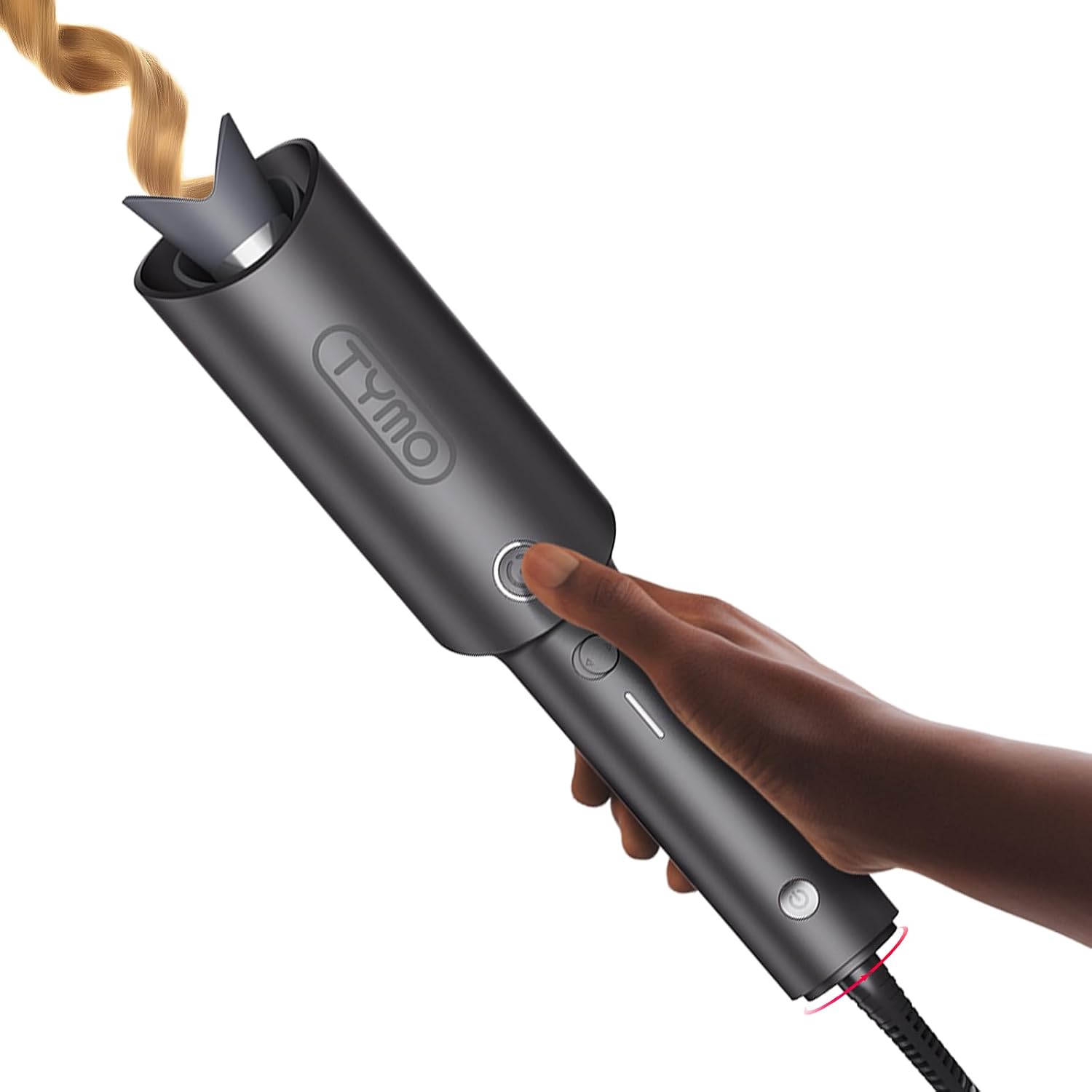
TYMO CURLPRO Automatic Rotating Curling Iron — Metallic Gray
An automatic rotating curler that wraps and curls hair without manual technique, ideal for fast, consistent results.
- – Learning the clamp insertion takes a few tries
- – Less control over custom curl shaping than manual irons

TYMO CurlPro Plus Long Barrel Auto-Rotating Curling Iron
An upgraded auto-rotating curler with a longer barrel chamber built specifically to handle longer hair lengths efficiently.
- – Bulkier housing than standard auto-curlers
- – Overkill for short or medium hair lengths
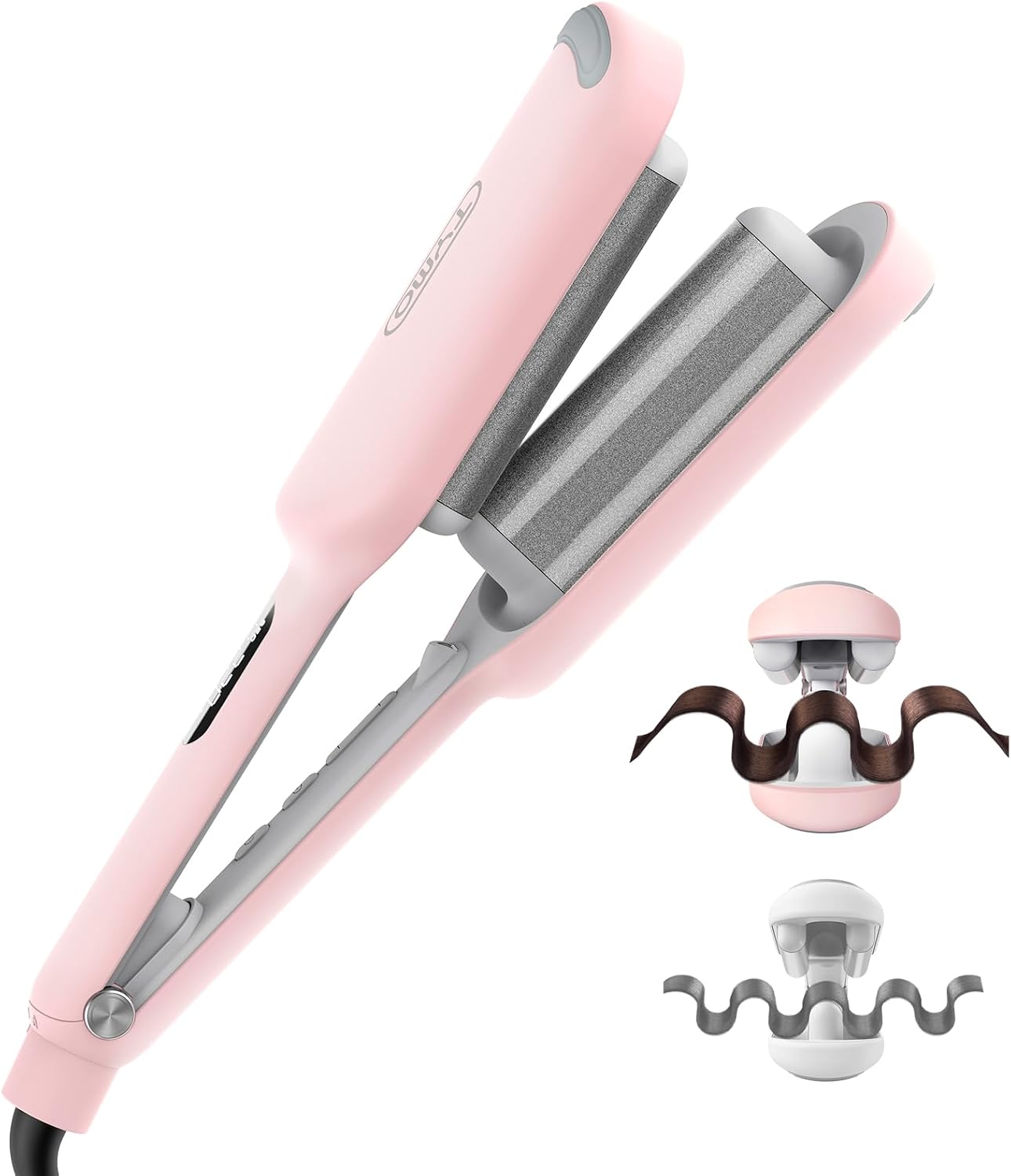
TYMO ROVY 3-Barrel Hair Waver — Pink
A 3-barrel waver built to produce loose, beachy waves in a fraction of the time a single-barrel iron would take.
- – Less precise for tight, defined curls
- – Bulkier shape needs more counter clearance

Bio Ionic Long Barrel Curling Iron with NanoIonic MX
A professional-grade long-barrel iron with NanoIonic technology that locks in moisture while curling for a shinier finish.
- – Among the pricier options in this category
- – Heavier barrel takes some adjustment for new users

Wavytalk Power Wave Hair Crimper — Pink
A dedicated crimping iron for textured, zig-zag crimps that add volume and a distinct retro-inspired texture.
- – Single-purpose tool — does not double as a curler
- – Crimped texture is not for everyone's everyday style
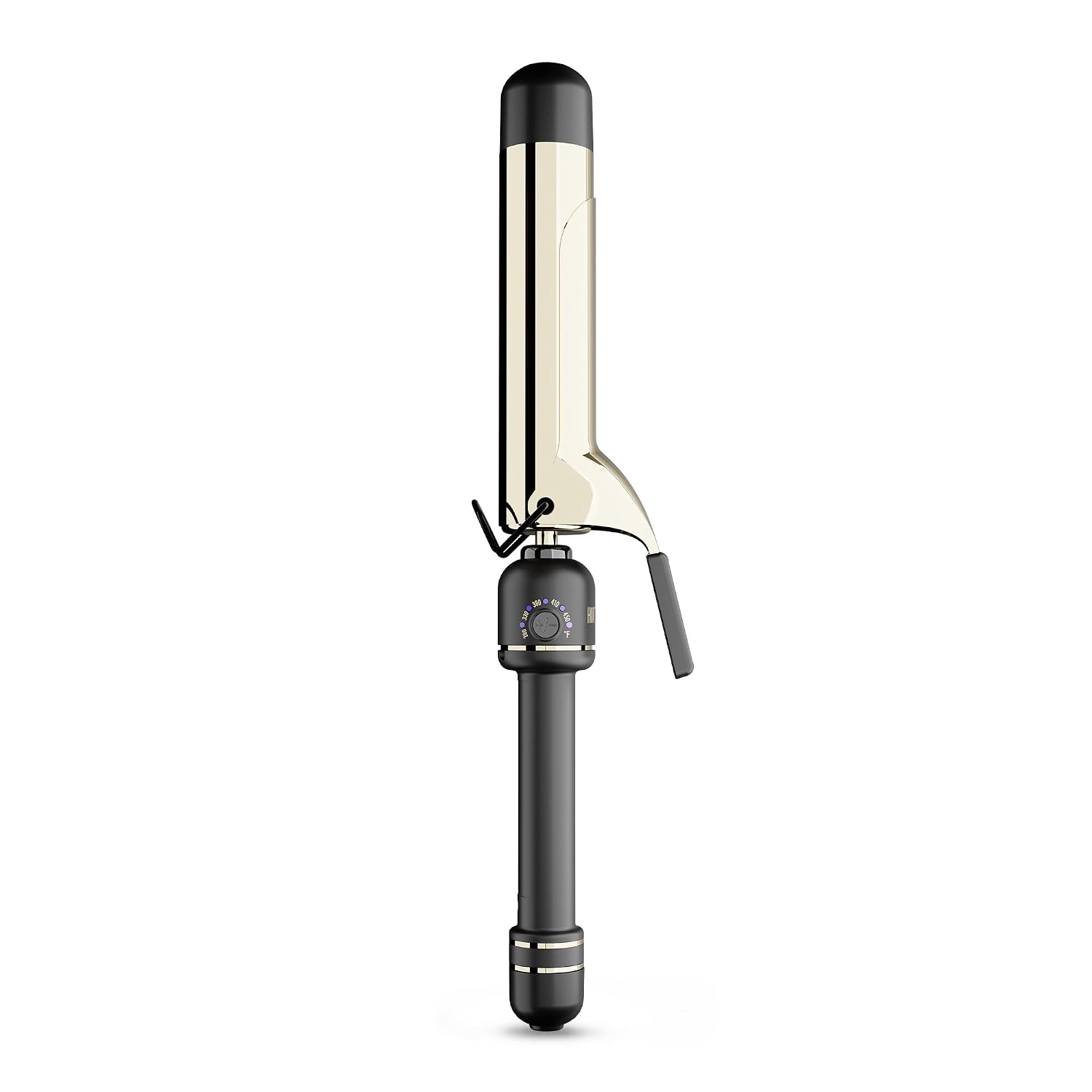
HOT TOOLS 24K Gold 1.5-inch Extended Barrel Curling Iron
A 24K gold-plated barrel curler known for exceptional heat retention and long-lasting curls that hold through the day.
- – Gold barrels run hot, requiring care with handling time
- – Pricier than standard ceramic curling irons
Curling Iron Buying Guide
Barrel Size and Curl Type
Barrel diameter is the single biggest factor in determining what your finished curl will look like. Smaller barrels wrap hair into a tighter coil, producing more defined, compact curls that tend to hold their shape longer because there's less hair weighing the curl down. Larger barrels, on the other hand, create broader loops that read as loose waves rather than discrete curls. Hair length matters too: very long hair wrapped on a small barrel can end up with curls only in the bottom few inches, while short hair on an oversized barrel may barely curl at all. Matching barrel size to both your length and desired finish is the first decision to get right.
As a general rule, curls always loosen slightly as they cool and settle, so when in doubt, size down rather than up if you want the curl to read as defined once you're done styling.
Manual vs. Automatic Curlers
Manual curling irons require you to wrap each section of hair around the barrel by hand, which gives you full control over curl direction, tightness, and placement but takes more practice to master. Automatic or rotating curlers draw hair into a rotating chamber and curl it for you, which speeds up the process and produces consistent results curl-to-curl, especially useful for those newer to styling or working with hard-to-reach back sections. The tradeoff is less customization per section and, on some models, a learning curve around timing the release so hair doesn't tangle.
Barrel Material: Ceramic vs. Titanium vs. Gold-Plated
Ceramic barrels heat evenly and gently, making them a solid choice for fine or color-treated hair that's prone to heat sensitivity. Titanium barrels heat up faster and retain higher temperatures more consistently, which appeals to those with thick or coarse hair that needs more sustained heat to hold a curl. Gold-plated barrels combine strong heat conduction with a smoother glide, often paired with ceramic or tourmaline coatings to reduce friction and static. Because any heated styling tool involves repeated exposure to high temperatures, it's worth reviewing general guidance on cosmetic and personal care product safety when selecting tools and products used close to the scalp.
Curling Technique Basics
Section hair before you start so each piece curls evenly, and work from the back of the head forward. Hold the iron vertically for curls that cascade naturally, or horizontally for tighter, more uniform spirals. Wrap hair around the barrel away from your face for a face-framing effect, and alternate direction section to section for a more natural, lived-in finish rather than a uniform helix pattern. Always let each curl cool in your hand or pinned to your scalp before brushing it out, since curls set as they cool, not while they're still hot.
Holding the iron for too long on one section is one of the most common causes of heat damage. Most styles need only eight to twelve seconds of heat per section, even on thicker hair.
Curl Type Guide
3/4" – 1"
Tight Curls
Small barrels create dense, springy ringlets. Best for short to medium hair and retro or pin-up looks.
1" – 1.25"
Classic Curls
A versatile mid-size barrel produces the rounded, uniform curl most people picture when they think "curling iron."
1.25" – 1.5"
Loose Curls
Larger barrels relax the curl into looser, bouncier spirals that suit longer hair and everyday wear.
1.5"+
Soft Waves
The widest barrels skip tight curl and go straight to soft, undone-looking waves with minimal volume at the root.
Frequently Asked Questions
What barrel size should I use for loose curls versus tight curls?
Tight, springy curls come from smaller barrels in the 3/4 to 1 inch range, while loose, bouncy curls form on barrels closer to 1.25 to 1.5 inches. If you want soft waves rather than defined curls, look for barrels 1.5 inches or larger.
Should I get an auto-rotating curler or a manual curling iron?
Auto-rotating curlers are great for speed and consistency, especially for beginners or hard-to-reach sections at the back of the head. Manual irons give you more control over curl direction and tightness, which experienced stylers often prefer for customized looks.
How long do curls from a curling iron typically last?
With a thermal protectant and a cool-down period before brushing out, curls typically last anywhere from several hours to a full day depending on hair type and humidity. Fine, straight hair tends to lose curl faster than coarse or wavy hair.
Is a gold-plated barrel better than ceramic?
Neither is strictly better; they suit different needs. Gold-plated barrels conduct heat quickly and glide smoothly, which works well for thicker hair, while ceramic barrels distribute heat more gently, making them a better fit for fine or color-treated strands.
How can I curl fine hair without damaging it?
Use the lowest effective heat setting, apply a heat protectant beforehand, and avoid holding the iron on any one section for more than a few seconds. Fine hair generally curls quickly, so lingering heat is unnecessary and increases the risk of damage.
Which direction should I curl my hair for the most natural look?
Alternating curl direction section by section, rather than curling every piece the same way, creates a more natural, undone movement. Curling all sections away from your face is a classic technique for a face-framing finish.
Further Reading
Affiliate Disclosure: StrandToolKit is a participant in the Amazon Services LLC Associates Program. We may earn a commission from qualifying purchases made through links on this page.